Introduction to Saltwater Fly Fishing
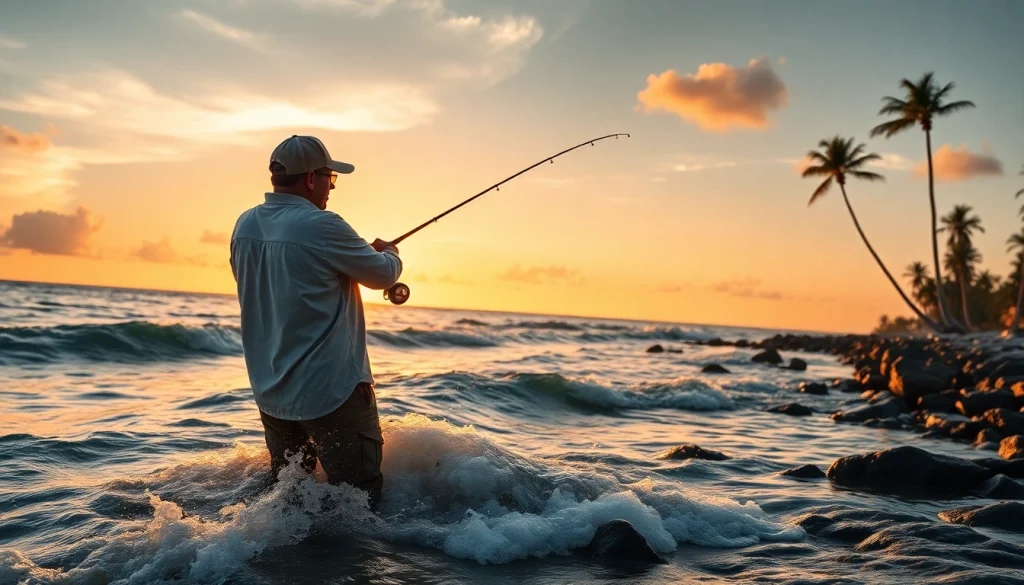
Saltwater fly fishing is an exhilarating and challenging pursuit that combines the art of fly casting with the thrill of catching fish in the open ocean. Whether casting from a boat or wading in the surf, this unique form of fishing offers anglers a chance to connect with nature in some of the most beautiful environments on the planet. To help you navigate this exciting world, we’ll cover essential aspects like the necessary gear, techniques, and the best destinations to perfect your skills. For those eager to jump in, immersing yourself in saltwater fly fishing can open doors to unforgettable experiences.
What Makes Saltwater Fly Fishing Unique?
Saltwater fly fishing is distinct for several reasons. Firstly, the conditions are often more challenging compared to freshwater fishing, requiring specialized techniques and gear. The saltwater environment presents unique variables such as tidal patterns, varying weather conditions, and the presence of larger, stronger fish species that can lead to more thrilling encounters. Furthermore, the skill set required allows for a deeper understanding of marine ecosystems, enhancing the overall fishing experience. The diversity of species available in saltwater also means thrilling fights with fish like tarpon, bonefish, and permit, each requiring different strategies and approaches.
Essential Gear for Beginners
For newcomers to saltwater fly fishing, having the right gear is critical for success and enjoyment. Start with a sturdy fly rod, typically between 8 to 10 feet in length, designed specifically for saltwater fishing. A reel with a strong drag system is also necessary to manage the force exerted by larger fish. When selecting a fly line, choose a weight suitable for your rod and consider floating or sink-tip lines depending on your fishing conditions. Additionally, invest in a variety of flies that simulate local baitfish and crustaceans, as these will be crucial for enticing fish.
Don’t overlook the importance of wearing sunscreen and protective clothing, as you’ll be exposed to the elements for extended periods. A well-designed fishing hat, polarized sunglasses, and breathable quick-drying clothing will enhance your comfort and safety while fishing.
Understanding Local Fisheries
Every saltwater fishery has its unique characteristics, often influenced by factors such as local bait populations, water temperature, and migratory patterns. Understanding these dynamics is vital for successful fly fishing. Research local waters and engage with local fishing communities or guides to gain insights on the best times to fish, preferred species, and techniques that work best in those areas. Utilizing marine charts and tide tables can also provide valuable information on fish behavior and deployment of your techniques.
Techniques for Successful Saltwater Fly Fishing
Casting Techniques for Different Conditions
Effectively casting in saltwater requires mastering several techniques. Wind can be a significant factor, so learning to cast into the wind is essential. Practice the double haul technique to increase line speed and distance. Different conditions will necessitate modifications; for instance, when casting near the shore, shorter, more precise casts might be required to avoid spooking fish.
Additionally, consider using a roll cast in tight spaces or when the wind is particularly strong. It allows for efficient, smooth delivery of the fly without needing to back cast, which can be crucial when you’re in proximity to structures or the shoreline.
Retrieving Methods to Attract Fish
Once you’ve cast your line, the retrieval method can make or break your success. Different species respond better to various retrieval techniques. For instance, a fast, jerky retrieve usually attracts predatory species like jacks and barracuda, while stripers may prefer a slow, steady retrieve with occasional pauses.
Experimenting with varying speeds and rhythms during your retrieval allows you to mimic the actions of injured or fleeing baitfish, often triggering a predator’s instinct to strike. Using an erratic movement, such as the ‘strip-pause-strip’ method, can elicit strikes from less aggressive fish. Pay attention to what works on a given day and adapt accordingly.
Strategies for Targeting Specific Species
Targeting specific saltwater species requires tailored strategies. Understanding each species’ feeding habits and preferred habitats is crucial. For example, bonefish often inhabit sandy flats and are notorious for their cautious feeding behavior, making stealthy approaches necessary. On the other hand, tarpon can be found in deeper waters and may require longer casts and heavier flies to entice.
Learning to read the water and identify where fish are likely to feed, such as near structures, currents, or drop-offs, helps enhance your success rate. Spending time observing the movements of established fish can provide clues on how best to proceed with your fishing tactics.
Best Locations for Saltwater Fly Fishing
Top U.S. Destinations
The United States boasts an array of incredible saltwater fly fishing destinations. The Florida Keys, for instance, are renowned for their clear waters and diverse species. Anglers flock here to pursue tarpon, bonefish, and permit, often referred to as the ‘Grand Slam’ in saltwater fly fishing.
Other notable locations include the marshes of Louisiana, which provide unique opportunities for redfish and speckled trout, and the coastal waters of California, featuring opportunities for striped bass and leopard shark. Each destination offers a distinct fishing experience, often influenced by its ecosystem and species prevalent in the area.
International Hotspots for Anglers
Venture beyond U.S. borders, and you’ll discover stellar saltwater fly fishing locations worldwide. The Bahamas are a paradise for fly anglers, particularly for bonefish and permit. The crystal-clear waters and abundant flats create optimal conditions for successful fishing endeavors.
Other international hotspots include Belize, known for its expansive barrier reef teeming with a variety of species, and the Seychelles, where anglers can encounter giant trevally in stunning locations. Each location requires an understanding of local regulations and best practices to preserve their fragile ecosystems.
Local Regulations and Guidelines
Adhering to local fishing regulations is critical for both ethical fishing practices and the sustainability of fish populations. Always familiarize yourself with local rules concerning seasons, limits on the number of fish you can catch, and protected species. Many locations have specific guidelines for catch-and-release practices, and understanding these can help contribute to conservation efforts.
Joining local fishing organizations or following updates from wildlife agencies can provide valuable information regarding changes in regulations, ensuring that you always have the most current information at your fingertips.
Advanced Tips and Tricks
Fly Patterns that Work Best
Utilizing the right fly patterns can significantly enhance your catch rate. While specific patterns may vary by region and species, some general guidelines can help you prepare. Consider using shrimp patterns for snook and tarpon, while baitfish patterns are effective for attracting barracuda and jacks.
For species like bonefish, small and natural-looking flies, such as Gotcha or Crazy Charlie patterns, can yield impressive results. Experiment with color variations and sizes based on the prevailing water conditions and bait availability to find what works best.
Reading Tides and Weather Patterns
The movement of tides and changes in weather dramatically influence fish behavior and feeding patterns. Tides dictate the best times for fishing in saltwater locations, with many anglers preferring the moving tides when fish are most active.
Weather conditions also play a role; overcast skies can lead to increased activity levels among fish. Familiarize yourself with tide charts and local weather forecasts as part of your preparation. This knowledge will help you time your fishing trips for optimal success.
Ethical Practices for Conservation
As stewards of the environment, it is essential for anglers to engage in ethical practices to ensure the health of aquatic ecosystems. Practicing catch-and-release is crucial, especially for species that are endangered or overfished. Use barbless hooks to reduce injury, and always handle fish carefully, minimizing wet time to ensure their survival post-release.
Additionally, supporting local conservation initiatives, participating in clean-up efforts, and promoting sustainable tourism can foster the preservation of fishing areas for future generations. Respect for nature and fellow anglers sustains the joy and experience of saltwater fly fishing.
Community and Resources for Saltwater Fly Fishing
Engaging with Local Fishing Communities
Joining local fishing clubs or attending meet-ups can be a source of great camaraderie and learning. These communities often host outings, contests, and workshops that help sharpen your skills and offer valuable networking opportunities. Engaging with experienced anglers can provide insights into lesser-known fishing spots and enhance your knowledge of different techniques and practices.
Online Resources and Forums
The online community for saltwater fly fishing is vast, with countless forums and resources available to both novice and experienced anglers. Websites dedicated to fly fishing often feature instructional videos, forums for sharing stories and tips, and updated information on local conditions and regulations. Social media platforms also provide an excellent way to engage with fellow anglers, share experiences, and gain inspiration from their journeys.
Workshops and Training Opportunities
Investment in workshops or classes can significantly elevate your fly fishing skills. Many outfitting companies or local guides offer opportunities for hands-on training, where you can learn from seasoned pros. These training sessions often cover casting techniques, gear selection, and local fishing tactics, giving you a well-rounded education to enhance your fishing experiences.