
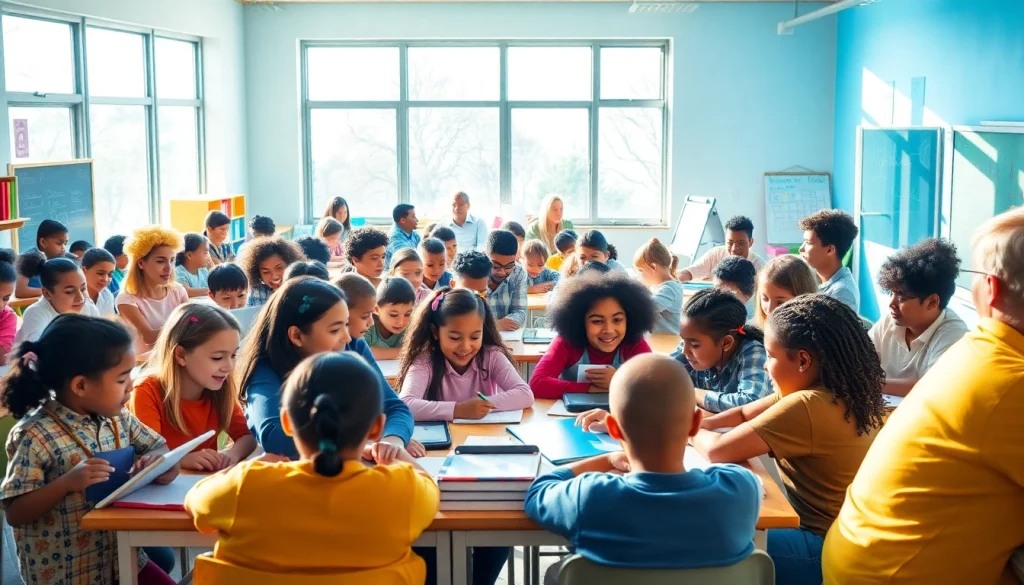
Understanding Education in Today’s Context
In a rapidly evolving world, the concept of education transcends mere instruction; it embodies a transformative journey essential for personal and societal growth. Today, education is more than imparting knowledge—it’s about fostering critical thinking, creativity, and adaptability in students, preparing them to navigate an increasingly complex global landscape. As challenges mount in equity and access, understanding the dynamics of education within this framework becomes crucial for meaningful reform and innovation.
The Evolution of Educational Paradigms
Historically, education systems have undergone significant transformations in response to societal needs. From the classical education of ancient civilizations to the industrial-age school systems designed for mass production, each phase reflects the priorities and challenges of its time. The 21st century has ushered in a new paradigm focused on personalized learning, digital integration, and skills necessary for a technology-driven economy. Educators are now challenged to shift their methodologies to create inclusive and engaging learning environments that cater to diverse learning styles and backgrounds.
Key Challenges in Education Equity
Education equity remains a pressing issue, marked by disparities in access, resources, and outcomes. Factors such as socio-economic status, geographic location, and systemic biases continue to hinder fair access to quality education. For instance, students in low-income areas often face overcrowded classrooms, outdated materials, and limited extracurricular opportunities. As advocates for educational reform, it is vital to address these inequities to ensure every learner has the opportunity to thrive.
Defining the Role of Reform and Innovation
Reform in education is not just about policy changes; it involves a comprehensive approach that incorporates innovative practices, stakeholder engagement, and data-driven strategies. Innovation can take various forms, from implementing cutting-edge technology in classrooms to reimagining curriculum design that emphasizes interdisciplinary and experiential learning. By fostering a culture of innovation, educational institutions can adapt to changing times and meet the needs of all students.
Strategies for Effective Education Reform
To initiate meaningful change in education, a multi-faceted approach is required. This involves understanding the complexities of educational systems and integrating effective strategies that promote equity, engagement, and excellence.
Actionable Techniques for Educators
Teachers play a pivotal role in the transformation of education. Incorporating culturally relevant pedagogy, differentiated instruction, and formative assessments can significantly enhance student engagement and achievement. For instance, using culturally responsive teaching methods allows educators to connect with students’ backgrounds and experiences, fostering a sense of belonging and motivation. Furthermore, continuous professional development is essential for equipping educators with the tools and knowledge necessary to implement these techniques successfully.
Utilizing Technology in Education
Technology has the potential to revolutionize education by providing personalized learning experiences and access to resources that were previously unavailable. Leveraging platforms like online learning management systems (LMS) enables educators to offer diverse content tailored to individual student needs. Additionally, utilizing data analytics can help track student progress, identify learning gaps, and inform instructional adjustments. However, it’s crucial to ensure that all students have equal access to technology to prevent widening the digital divide.
Fostering Inclusive Learning Environments
Creating inclusive classrooms is essential for promoting equity and ensuring that every student feels valued. This involves implementing supportive practices such as Universal Design for Learning (UDL), which encourages flexible teaching approaches that accommodate various learning preferences and abilities. Furthermore, promoting social-emotional learning (SEL) helps students develop resilience, empathy, and interpersonal skills, contributing to a positive classroom climate.
The Importance of Advocacy in Education
Advocacy is a critical component of driving change in education systems. By amplifying voices and concerns, stakeholders can influence policy decisions that impact educational equity and access.
Advocating for Policy Changes
Education advocates play a vital role in shaping policies that promote equity and innovation. This includes lobbying for funding allocations that address disparities, supporting legislation that benefits underrepresented communities, and promoting accountability measures that ensure all students receive a quality education. Engaging policymakers and community leaders can create a roadmap for actionable changes that positively impact educational outcomes.
Community Engagement and Support
Building strong partnerships with families and communities fosters a collaborative approach to education. Initiatives that encourage parental involvement, community-based organizations, and local businesses can enhance educational resources and support for students. By creating a network of support, schools can better address the holistic needs of students and contribute to their overall well-being.
Building Alliances for Educational Equity
Collaborative efforts among various stakeholders—including educators, parents, policymakers, and community organizations—are essential for advancing educational equity. By forming coalitions and alliances, stakeholders can share resources, strategies, and best practices that foster systemic change. This united front is crucial for tackling the multifaceted challenges within the education sector.
Measuring Success in Educational Innovation
To ensure that educational reforms are effective, it’s essential to establish clear metrics for success. This involves assessing both qualitative and quantitative data to gauge the impact of new initiatives and practices.
Key Performance Indicators for Reform
Identifying appropriate Key Performance Indicators (KPIs) allows educators and administrators to measure the effectiveness of their strategies. Metrics such as student achievement, graduation rates, and student engagement levels provide valuable insights into the success of educational innovations. Furthermore, qualitative feedback from students, parents, and educators can guide continuous improvement efforts.
Case Studies of Successful Educational Practices
Examining case studies of successful educational practices can offer valuable lessons for reform. For instance, schools that have implemented project-based learning have seen increased student engagement and improved critical thinking skills. Highlighting such examples can serve as a model for other institutions seeking to implement innovative strategies.
Feedback Mechanisms for Continuous Improvement
Establishing feedback mechanisms is essential for fostering a culture of continuous improvement within educational settings. Regular surveys, focus groups, and community forums can provide insights into the effectiveness of educational programs and strategies. By actively seeking feedback and being responsive to stakeholder input, educational institutions can adapt and refine their approaches to meet evolving needs.
Future Trends in Education Towards 2026
As we move towards 2026, several emerging trends are poised to shape the future of education, offering both challenges and opportunities for reform.
Emerging Technologies in Learning
The integration of artificial intelligence (AI), virtual reality (VR), and augmented reality (AR) into education is set to transform learning experiences. These technologies can provide immersive learning environments that enhance student engagement and understanding. Additionally, AI-driven tools can offer personalized learning paths, helping students progress at their own pace. However, ensuring equitable access to these technologies remains a critical challenge.
Global Perspectives on Educational Innovation
In an interconnected world, understanding global perspectives on education can inform local practices and policies. Countries that prioritize innovative approaches—such as Finland’s emphasis on student welfare or Singapore’s focus on critical thinking and creativity—can provide valuable insights into effective educational reforms. Learning from these models can help drive systemic change in diverse educational contexts.
Preparing Educators for Future Challenges
As education continues to evolve, it is imperative to prepare educators for the challenges ahead. Professional development programs that focus on technology integration, culturally responsive teaching, and data literacy will equip teachers with the skills necessary to succeed in the 21st-century classroom. Furthermore, fostering a growth mindset among educators can encourage lifelong learning and adaptability in their practices.