
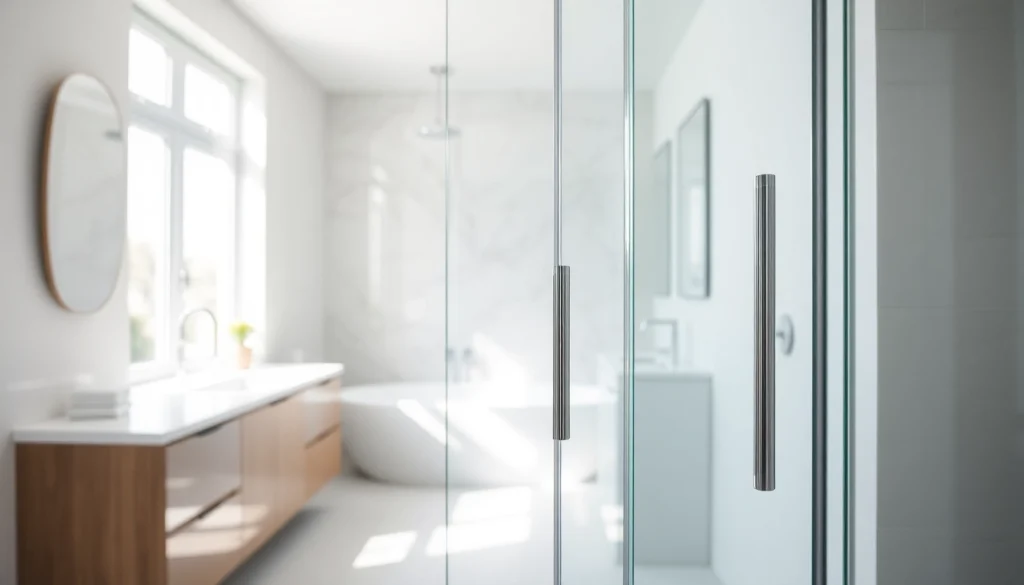
Understanding Shower Screen Door Types
When planning a new bathroom or sleek renovation, one essential element that can dramatically impact your space’s aesthetic, functionality, and flow is the shower screen door. Understanding the various types can help you select the most suitable option for your needs. This section will explore the most popular types of shower screen doors, highlighting their unique advantages and potential applications.
Frameless Shower Screen Door Advantages
Frameless shower screen doors offer an unparalleled modern aesthetic, providing a sleek, open look. Constructed from thick tempered glass, these doors create a spacious illusion, making smaller bathrooms feel larger. Aside from design, frameless doors are known for their easy maintenance—without the presence of metal frames, there are fewer crevices for mold and soap scum to build up. This means less scrubbing for you! Additionally, frameless doors are customizable. They can be tailored to fit any space and design vision, whether it’s a luxurious spa-inspired space or a more minimalist vibe.
Framed Shower Screen Door Features
While frameless doors are elegant, framed shower screen doors have their charm. With a metal frame holding the glass panels, these doors are typically more affordable and provide a robust structure. The frame adds stability to the glass, which can mitigate the risk of breaking, thus enhancing safety, especially in homes with children. Furthermore, framed doors can easily accommodate various styles and bathroom designs while offering customizable color finishes on the frame. Many options are available, from chrome to matte black, allowing homeowners to match their décor precisely.
Bi-Fold Shower Screen Door Applications
The bi-fold shower screen door is perfect for compact spaces. These doors open outward by folding in on themselves, maximizing usable space both inside and outside the shower area. Ideal for smaller bathrooms, bi-fold doors allow for a full entryway without requiring additional space for door swing. They’re also user-friendly, especially for individuals with mobility issues, as the ease of access can simplify getting in and out of the shower.
Choosing the Right Material for Your Shower Screen Door
The material you select for your shower screen door plays a critical role in durability, maintenance needs, and aesthetic appeal. Here’s a close look at the options you have.
Glass Options for High Durability
Glass is the premier choice for shower screen doors, primarily due to its durability and visual clarity. Tempered glass is often used; it’s treated to withstand high temperatures and impacts, significantly reducing the risk of shattering. Furthermore, glass doors resist water damage and do not warp like wood; they maintain their beauty over time regardless of humidity levels. Easy-to-clean glass options are also available, designed with a protective coating that resists water spots and soap scum.
Aluminum and Its Benefits
Aluminum frames are popular in framed shower screen doors due to their lightweight nature and resistance to corrosion. The material does not rust over time, which makes it an excellent choice for humid bathroom environments. Aluminum frames can be anodized or finished to enhance their appearance, providing an attractive option that fits various design preferences. Moreover, these frames can accommodate thicker glass, improving stability and security.
Plastic Shower Screen Door Alternatives
For those on a tighter budget, plastic shower screen doors can provide an economical and practical solution. Typically made from acrylic or polycarbonate, these doors are lightweight and resistant to shattering. However, while they are easier to handle and install, they may not offer the same level of visual appeal or durability as glass. Over time, plastic can become scratched or clouded, which might detract from the aesthetic of your bathroom. They are ideal for temporary or rental setups, providing utility without the higher costs associated with glass options.
Key Features to Consider When Selecting a Shower Screen Door
Choosing the right shower screen door isn’t merely about style; several key features should influence your decision to ensure it fits your lifestyle and bathroom space.
Design and Aesthetics
The design of your shower screen door should harmonize with your overall bathroom décor. Whether modern or traditional, ensure the door complements your color schemes and fixtures. Consider frame finishes, door styles, and glass transparency—the right balance can dramatically enhance the overall appeal of your bathroom. Customization options allow for a tailored look, ensuring the shower screen door adds flair and functionality.
Safety Features for Family Use
Safety is paramount, especially in family settings where children may frequent the shower area. Look for tempered or laminated glass, as they are specifically designed to resist breaking and minimize hazards in the event of an accident. Edges should be rounded or smooth to prevent injury, and consider doors that can be operated easily, allowing for safe, quick access when needed. Additionally, ensure there are proper seals to prevent water leaks, which can create unsafe conditions outside the shower area.
Ease of Cleaning and Maintenance
Maintaining your shower screen door’s clarity and beauty is essential. Choose materials that resist dirt and grime. Glass options with special coatings make cleaning effortless, as they repel water and soap scum, while framed doors can often be designed to avoid trapping dirt in edges. A simpler cleaning mechanism can encourage consistent care, which will prolong the life of your door and maintain its aesthetic appeal.
Installation Tips for Shower Screen Door
Installing a shower screen door can be a straightforward process if approached methodically. Here are some helpful guidelines to ensure a successful installation.
Pre-Installation Checklist
Before you dive into the installation process, gather your materials and tools. Ensure you have the necessary items such as a level, drill, screws, and sealant. Take precise measurements of your shower space to avoid mismatched sizes, and verify that the wall surfaces are sturdy and level. Consider reviewing local building codes pertaining to shower installations to ensure compliance.
Step-by-Step Installation Guide
1. Measure and Mark: Use a level to ensure accurate measurements at each point where the door will be fitted. Mark locations for brackets according to manufacturer specifications.
2. Install Brackets: Begin by securely attaching any brackets to ensure a solid base for your door. Ensure they are level and correctly spaced.
3. Fit the Door: Carefully lift the shower screen door into place, securing it into the brackets. Check for proper alignment and make necessary adjustments.
4. Seal the Edges: Once installed, apply a waterproof sealant around the edges where water may penetrate. This step is crucial to prevent leaks and water damage.
5. Final Checks: Double-check the alignment and make sure everything is securely in place before use.
Common Installation Mistakes to Avoid
Common pitfalls during installation include miscalculating measurements, neglecting to ensure the surface is level, and failing to secure brackets firmly. It’s essential to follow instructions meticulously and take your time to prevent future issues such as water leaks or unstable doors. Additionally, securing proper tools beforehand can prevent mishaps from occurring on the installation day.
FAQs About Shower Screen Door
What are the best materials for shower screen doors?
Glass is the most popular due to its aesthetics and durability, followed by aluminum for a lighter option. Plastic provides a budget-friendly alternative.
How do I clean my shower screen door?
Use a mix of vinegar and water or a specific glass cleaner to maintain its sparkle without scratching. Regular maintenance keeps grime at bay.
Are frameless shower screen doors safe?
Yes, they are made from tempered glass, which is much stronger than regular glass, providing added safety for your bathroom environment.
How long does it take to install a shower screen door?
Typically, installation can take 1 to 3 hours depending on the complexity and the type of door. Proper planning can expedite the process.
What is the cost range for a shower screen door?
Prices vary widely, generally ranging from £100 to £600, depending on materials and design preferences, giving options for various budgets.