Everything You Need to Know About Retro Appliance Design and Style
What is a Retro Appliance?
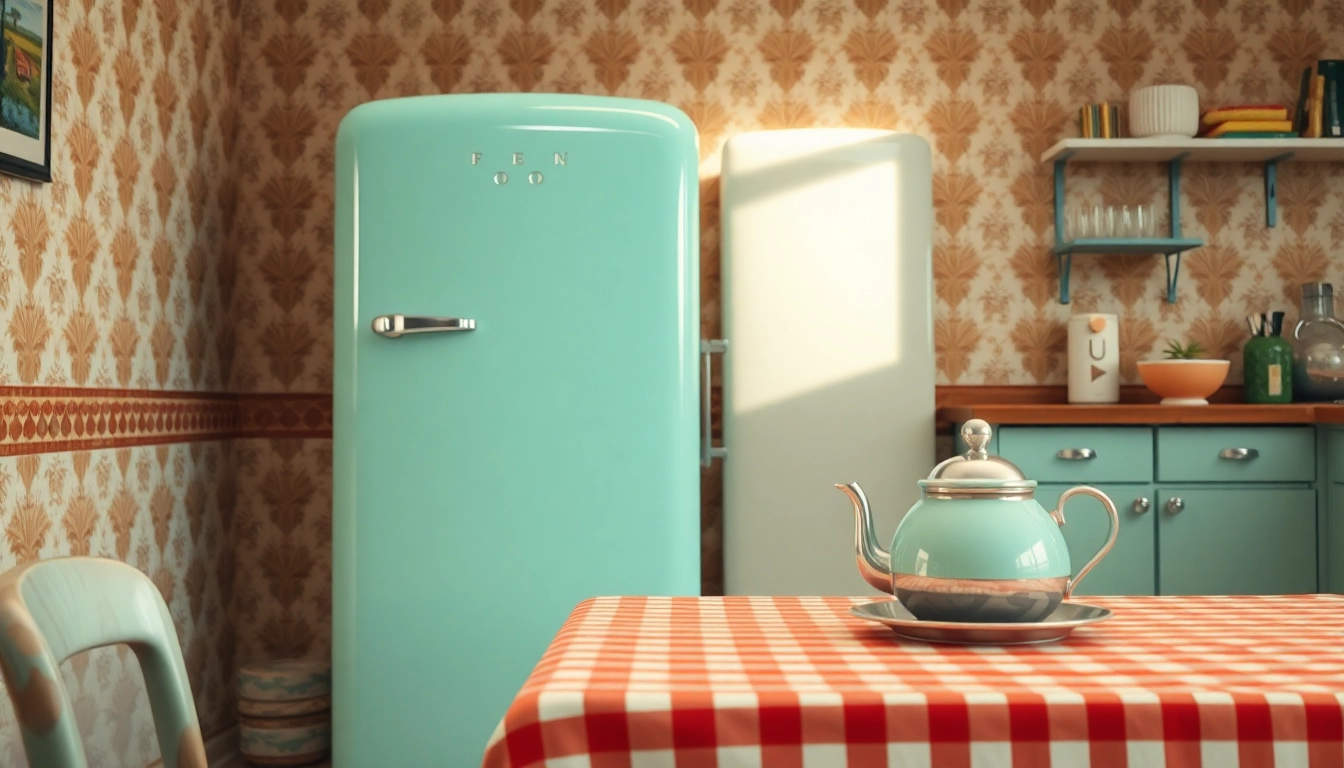
Retro appliances are household devices that evoke the charm and style of mid-20th century design. Characterized by bright colors, chrome accents, and unique shapes, these appliances such as refrigerators, toasters, and microwaves, blend nostalgic aesthetics with modern functionality. The appeal of retro appliances goes beyond just aesthetics; they often serve as conversation starters in home decor. Many homeowners opt for retro appliance designs to create a distinctive atmosphere, merging the old with the new.
Defining Characteristics of Retro Appliances
Retro appliances showcase several distinctive characteristics:
- Bold Colors: Bright reds, pastel pinks, and mint greens are hallmarks of retro design.
- Unique Shapes: Curvy profiles and round edges contrast with modern minimalist designs.
- Chrome Trimmings: Polished metal accents add sophistication and glamor.
- Vintage Branding: Classic logos and typography are often featured on these appliances, enhancing their nostalgic value.
- High-Quality Materials: Many retro appliances are made with durable materials that stand the test of time.
Popular Types of Retro Appliances
Various appliances can embody the retro aesthetic. Here are some popular types:
- Refrigerators: Iconic designs with rounded edges and vibrant colors.
- Microwaves: Compact models that nod to the past while providing modern convenience.
- Toasters: Classic lever-operated or pop-up styles that add charm to any kitchen.
- Cookers: Stoves featuring streamlined designs and retro knobs.
- Coffee Makers: Vintage-style machines that promise excellent brews.
Why Choose Retro Appliances for Your Home?
Choosing retro appliances for your home decor can transform your space in several significant ways. Firstly, they add unique character and personalization, expressing the homeowner’s style and love for vintage design. Secondly, retro appliances often come equipped with modern efficiency, bridging the gap between function and aesthetics. Beyond their looks, these appliances often evoke feelings of nostalgia, giving your home a warm and inviting aura.
Advantages of Using Retro Appliances
Unique Aesthetic Appeal
The aesthetic appeal of retro appliances cannot be overstated. They often serve as stunning focal points in kitchens and dining areas, allowing homeowners to break free from the monotony of contemporary appliances. Their unique designs offer a playful nod to history, making them popular among interior design enthusiasts who seek to cultivate a themed atmosphere. Furthermore, the eclectic nature of retro styles allows them to seamlessly blend with various decor themes, from mid-century modern to eclectic bohemian.
Energy Efficiency Improvements
Modern retro appliances provide the added benefit of energy efficiency. Unlike older counterparts, many contemporary retro designs harness advanced technology to minimize energy consumption, reducing utility bills and environmental impact. These products are often equipped with energy-saving features, allowing homeowners to enjoy vintage charm without compromising on efficiency. Investing in a retro appliance can ultimately lead to long-term savings, making them economically feasible for energy-conscious consumers.
Durability and Reliability of Design
Retro appliances are often celebrated for their robust design and build quality. Many retro-inspired products replicate the durability of vintage appliances, which were built to last. This means fewer repairs and replacements over time, making retro appliances not just a stylistic choice but a practical one as well. Their enduring quality ensures that they remain both functional and aesthetically pleasing for years to come, making them a worthwhile investment for any homeowner.
How to Style Your Home with Retro Appliances
Incorporating Retro Appliances into Modern Spaces
Incorporating retro appliances into a modern home requires a thoughtful approach. Start by choosing one or two standout pieces that can function as focal points, such as a bright red refrigerator or a mint green coffee maker. Next, harmonize these appliances with modern fixtures, such as sleek countertops and minimalist cabinetry, to create a stylish contrast. Mixing vintage and modern elements not only enhances the retro appeal but also adds depth to the overall design.
Complementary Decor Themes
When styling your home with retro appliances, consider complementing them with decor themes that enhance their charm. Possible themes include:
- Mid-Century Modern: Pair retro appliances with clean lines, geometric patterns, and natural woods for a cohesive look.
- Art Deco: Utilize rich colors, bold geometrical shapes, and metallic accents to reflect an opulent style.
- Vintage Farmhouse: Combine retro appliances with rustic furniture and farmhouse elements for a cozy atmosphere.
- Pop Art: Integrate quirky decor and bright colors that resonate with the fun and adventurous spirit of retro designs.
Choosing Colors and Finishes
Selecting the right colors and finishes plays a crucial role in achieving the desired retro vibe. Soft pastels work beautifully in settings that lean towards a nostalgic palette, while bold primary colors can invigorate a space. Finishes such as glossy or matte can be chosen based on the overall mood of the room. Don’t hesitate to experiment with color combinations; sometimes, the most unexpected pairings yield the most charming results.
Maintenance Tips for Retro Appliances
Cleaning and Care Techniques
Maintaining retro appliances is essential to ensuring their longevity. Regular cleaning should involve gentle, non-abrasive products that protect their finish. For stainless steel or chrome finishes, a mixture of vinegar and olive oil can help restore shine. For pastel and colored surfaces, soft cloths with mild soapy water are recommended. Always refer to the manufacturer’s guidelines for specific cleaning instructions to avoid damaging the appliance.
Replacement Parts and Sources
Finding replacement parts for retro appliances can be a challenge. Many manufacturers specialize in remaking parts for popular retro designs. Additionally, many vintage appliance repair shops can source hard-to-find parts. Online marketplaces and forums dedicated to retro enthusiasts are also valuable resources for tracking down replacement components.
Common Issues and Troubleshooting
Even retro appliances can encounter issues. Here are several common problems and troubleshooting steps:
- Appliance Not Turning On: Check the power source and ensure the appliance is securely plugged in.
- Unusual Noises: These may indicate loose components or the need for lubrication. Consult a technician if sounds persist.
- Inconsistent Temperatures: For refrigerators, check the temperature settings and ensure vents are not blocked.
- Dripping Water: This could indicate clogged drain lines in refrigerators or dishwashers. Regular maintenance can prevent this.
Where to Buy Retro Appliances
Online Marketplaces and Retailers
Online marketplaces such as dedicated appliance retail websites, e-commerce platforms, and auction sites are great places to find retro appliances. These platforms often feature a wide variety of models, allowing buyers to compare prices and styles easily. Look for platforms that offer customer reviews and ratings, providing insight into the quality and performance of appliances.
Second-Hand Shops and Auctions
Second-hand shops and auctions can yield hidden gems when it comes to retro appliances. Thrift stores may have vintage items at low prices, while auction houses often feature unique, high-quality antiques. Always inspect items carefully for functionality and look for warranties offered by retailers or auction houses.
What to Look for When Buying
When purchasing retro appliances, consider the following:
- Condition: Look for any signs of wear, rust, or damage that may affect performance.
- Originality: Check for original parts, which often contribute to the value of the appliance.
- Energy Efficiency: Assess the energy ratings to ensure that the appliance aligns with modern efficiency standards.
- Warranty and Return Policy: Ensure that there is a policy in place for returns or repairs in case of defects.
FAQs About Retro Appliances
What defines a retro appliance?
A retro appliance is characterized by nostalgic design elements from past decades, typically featuring bright colors, chrome details, and unique shapes, blending vintage aesthetics with modern functionality.
Are retro appliances energy-efficient?
Modern retro appliances often incorporate energy-efficient technologies, allowing them to compete with contemporary models in terms of energy consumption.
How do I maintain my retro appliances?
Regular cleaning with non-abrasive products, a careful inspection of components, and following the manufacturer’s care instructions ensure the longevity of retro appliances.
Where can I find replacement parts for retro appliances?
Replacement parts can be found through specialty retailers, vintage appliance repair shops, and online marketplaces focused on retro appliances and restoration.
What styles go well with retro appliances?
Retro appliances match well with mid-century modern, vintage farmhouse, and eclectic decor themes, contributing character and nostalgia to these styles.