
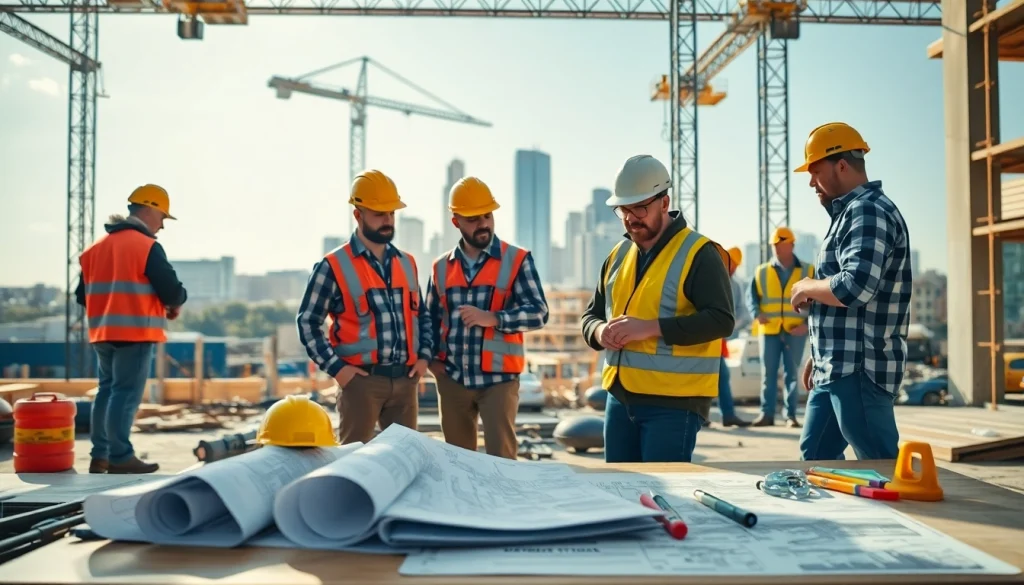
Understanding Austin Construction: Key Trends and Insights
Overview of the Austin Construction Market
The Austin construction market has seen significant growth and transformation over the past decade, largely driven by the city’s booming population, technology sector expansion, and a rising demand for residential and commercial spaces. According to recent analyses, Austin has consistently ranked among the fastest-growing metropolitan areas in the United States. This rapid growth has resulted in an increased number of construction projects across various sectors, including residential, commercial, and public infrastructure. For stakeholders involved in Austin construction, understanding these dynamics is crucial for navigating opportunities and challenges.
Emerging Trends in Construction
As Austin evolves, so does its construction landscape. Innovation remains at the forefront, with emerging trends shaping the future of construction in the region. One key trend is the integration of sustainable building practices. Builders and contractors are increasingly prioritizing energy-efficient materials and systems to reduce environmental impact and lower operating costs for new developments. The use of green roofing, sustainable insulation, and smart building technologies are now commonplace in new projects.
Another significant trend is the rise of mixed-use developments, which combine residential, commercial, and recreational spaces into cohesive projects. These developments not only cater to the growing demand for urban living but also promote a walkable community lifestyle, reducing the need for extensive transportation. This approach helps mitigate traffic congestion, a persistent issue in the Austin area.
Regulatory Changes Impacting Austin Construction
Regulatory frameworks continually influence the construction sector. Recent amendments to zoning regulations in the Austin area aim to promote higher-density development, responding to increasing housing demands. These changes encourage developers to showcase more innovative architectural designs, which align with the city’s commitment to sustainability and aesthetic coherence.
Moreover, regulatory updates related to environmental sustainability are prompting construction firms to adopt greener practices. Compliance with updated building codes designed to reduce carbon footprints is becoming a primary focus for many construction companies in Austin.
Types of Projects Shaping Austin’s Infrastructure
Residential Developments in Austin Construction
The demand for housing in Austin has accelerated, resulting in numerous residential projects ranging from single-family homes to high-rise apartments. This surge is attributed to the influx of new residents drawn by Austin’s tech job market and vibrant culture. Developers are now focusing on creating affordable housing solutions, especially as home prices continue to rise.
Notably, developments that incorporate community-oriented amenities—such as parks, communal spaces, and retail areas—are gaining favor among prospective homeowners. These initiatives not only enhance property value but also foster a sense of community among residents.
Commercial Construction Projects Driving Growth
Commercial real estate plays a crucial role in Austin’s economic expansion. The city has witnessed a wave of commercial construction, including office spaces, retail establishments, and hospitality projects. This growth is primarily supported by the tech industry’s expansion, which has led to a demand for modern office environments that promote collaboration and innovation.
Additionally, the tourism sector’s growth has prompted the development of hotels, conference centers, and cultural venues. These projects aim to attract visitors, thereby contributing to the local economy and enhancing Austin’s status as a desirable destination.
Public Works Enhancements through Austin Construction
Public infrastructure projects play a vital role in operational efficiency and community well-being. Austin has invested heavily in its transportation infrastructure, including road expansions and public transit improvements, to accommodate its growing population. These improvements are essential for reducing traffic congestion and ensuring that residents can access job opportunities and amenities efficiently.
Furthermore, public works initiatives focusing on environmental sustainability, such as the development of green spaces and flood management systems, are gaining traction. These enhancements aim to improve the quality of life for Austin residents while safeguarding the environment for future generations.
Challenges Faced in Austin Construction
Labor Shortages and Workforce Dynamics
A significant challenge currently facing the Austin construction sector is labor shortages. The rapid expansion of construction projects has heightened the demand for skilled labor, leaving many contractors struggling to find qualified workers. Attracting and retaining talent in this competitive landscape requires construction companies to invest in workforce development programs and establish collaborative partnerships with educational institutions.
In response, some companies are offering competitive wages, benefits, and training opportunities to entice workers into the industry. This approach not only addresses immediate labor shortages but also helps create a skilled workforce poised to meet future demands.
Supply Chain Disruptions in the Construction Sector
Supply chain disruptions pose another significant challenge, particularly in a post-pandemic world. The construction sector has seen fluctuations in the availability of materials and rising costs, which have impacted project timelines and budgets. Builders are urged to adopt flexible procurement strategies and maintain strong relationships with suppliers to navigate these issues effectively.
Additionally, utilizing localized procurement options can help reduce dependency on distant suppliers and mitigate potential delays caused by global supply chain disruptions.
Environmental Concerns in Austin Construction Practices
The environmental impact of construction practices is an ongoing concern within Austin’s construction landscape. The city is committed to promoting sustainable building practices to mitigate ecological footprints. Always in focus, environmental assessments and community feedback play critical roles in project approval processes.
Construction firms are encouraged to adopt advanced construction methods that minimize waste and energy consumption. Incorporating circular economy principles—such as recycling materials and employing efficient waste management systems—enables sustainable growth within the sector.
Best Practices for Successful Austin Construction Projects
Implementing Sustainable Construction Techniques
Sustainability is more than a trend in Austin construction; it is a necessity. Implementing sustainable construction techniques can significantly improve the overall efficiency of projects while appealing to environmentally conscious consumers. Techniques such as passive solar design, rainwater harvesting, and the use of energy-efficient appliances are increasingly being adopted across residential and commercial projects.
Additionally, many successful firms are now investing in certifications such as LEED (Leadership in Energy and Environmental Design) to enhance credibility and attract clientele that prioritizes sustainability.
Effective Project Management Strategies
Effective project management is crucial for the timely completion of construction projects within budget constraints. Utilizing agile project management methodologies and employing advanced planning tools can lead to improved collaboration and communication among stakeholders. These strategies help streamline processes and keep projects on track despite challenges that may arise.
Moreover, emphasizing transparency and regular updates with clients and team members fosters trust and allows for swift problem-solving, which is essential in dynamic construction environments.
Leveraging Technology in Austin Construction
Embracing technology is transforming Austin construction practices for the better. Construction Management Software facilitates enhanced project tracking, communication, and resource management. Building Information Modeling (BIM) streamlines the design process, allowing for more accurate cost estimations and improved safety analyses.
Additionally, innovations such as 3D printing and prefabrication techniques are becoming more popular, enhancing efficiency and reducing waste during the construction process. Companies that leverage these technological advancements position themselves favorably in the competitive Austin construction market.
Future Outlook: Austin Construction in the Coming Decade
Predicted Growth Areas in Austin Construction
The future of Austin construction is bright, with several areas anticipated for growth. The increasing demand for affordable and multi-family housing will drive continued investments in residential developments that cater to diverse populations. Additionally, with remote work becoming more common, demand for flexible office spaces will shape commercial projects in innovative ways.
Infrastructure projects geared towards enhancing public amenities and transportation systems will also see significant expansion, driven by the need to accommodate Austin’s growing populace.
The Role of Innovation in Future Developments
Innovation will remain a key driver in the evolution of Austin construction. Companies willing to adopt cutting-edge technologies and innovative practices will set themselves apart in a saturated market. Future projects may emphasize modular construction and smart technology integration, promising increased efficiency and sustainability.
Moreover, embracing digital transformation will allow stakeholders to respond swiftly to market changes and enhance customer experiences through personalized services.
Community Engagement and Its Impact on Austin Construction
Community engagement will play a pivotal role in shaping Austin’s construction future. As local stakeholders increasingly demand transparency and input in growth decisions, successful construction projects will prioritize community input throughout the planning and execution phases. Engaging with residents and stakeholders ensures that developments align with the needs of the community, fostering overall satisfaction and reducing resistance to new projects.
A strong emphasis on community feedback not only supports project acceptance but also enhances the social responsibility of construction firms, aligning their objectives with the broader vision of sustainable urban development.