
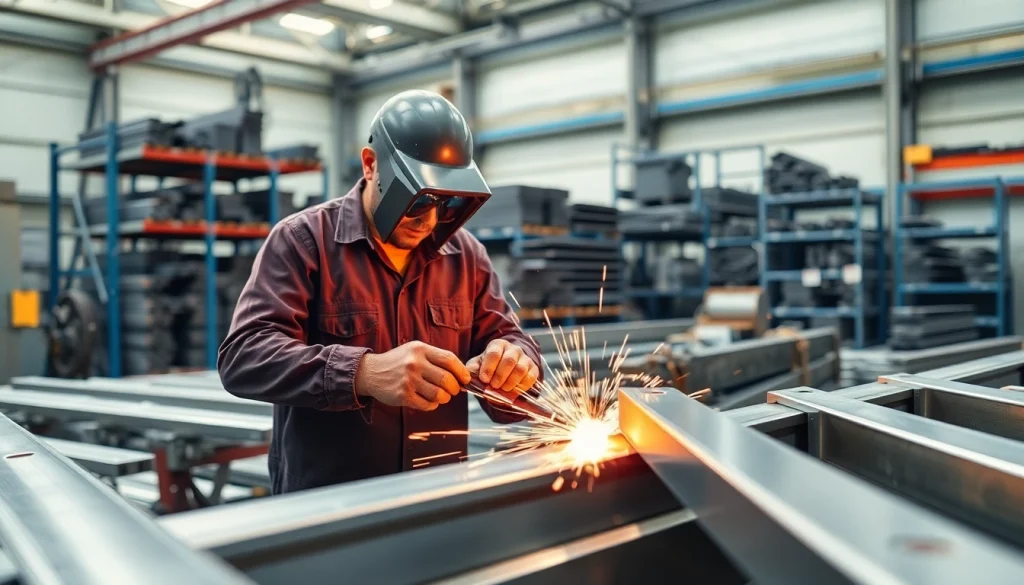
Understanding Custom Steel Fabrication
Defining Custom Steel Fabrication
Custom steel fabrication involves the process of creating steel structures and components tailored to specific requirements. This manufacturing technique entails several processes including cutting, welding, machining, and assembly of steel materials to form a finished product. Custom steel fabrication serves various industries such as construction, manufacturing, automotive, and more, delivering versatile solutions tailored to each client’s unique needs. Industries typically rely on custom steel fabrication for materials that align rigorously with their functional specifications, engineering designs, and safety standards.
Importance of Customization in Steel Projects
Customization is a critical aspect of steel projects, as it allows architects, engineers, and builders to create structures that fulfill specific project demands. The uniqueness of each project—be it dimensions, design, or functionality—requires tailored solutions that mass-produced supplies cannot provide. This becomes especially significant in complex constructions where compatibility with existing structures or meeting tight tolerances are essential. By opting for custom steel fabrication, businesses ensure that every component fits purposefully, contributing to the overall integrity and durability of the final product.
Common Applications of Custom Steel Fabrication
Custom steel fabrication finds applications across various fields. Common uses include:
- Architectural Structures: Custom steel beams, columns, and trusses used in buildings for support and aesthetics.
- Industrial Equipment: Fabrication of machinery housing, frames, and platforms that are required to withstand heavy use.
- Manufacturing Tools: Production of specialized tools and equipment that are tailored for specific industrial processes.
- Art Installations: Unique sculptures and art pieces made from steel that enhance public spaces and buildings.
- Transport Infrastructure: Bridges and railings meticulously designed to fulfill civil engineering requirements while ensuring public safety.
Key Techniques in Custom Steel Fabrication
Welding Methods Used in Custom Steel Fabrication
Welding is a fundamental technique in custom steel fabrication, leveraging various methods for joining materials. Each method has specific advantages and preferred applications:
- MIG Welding (Metal Inert Gas): Widely used for its speed and flexibility, suitable for various thicknesses.
- TIG Welding (Tungsten Inert Gas): Provides high precision, often utilized for thin-walled sections or intricate designs.
- Stick Welding (Shielded Metal Arc Welding): A versatile method effective in outdoor environments and for thicker materials.
Understanding the nuances of each welding process assists engineers and fabricators in selecting the optimal method for their projects, ensuring strong, reliable joints that withstand the test of time.
Machining Processes in Custom Steel Fabrication
Machining involves using tools to remove material from a workpiece to achieve desired specifications. Key machining processes include:
- Turning: A method that rotates the workpiece against a stationary cutting tool to produce cylindrical shapes.
- Milling: Involves moving a cutting tool across the surface of the material to create complex shapes and features.
- Drilling: Used to create holes in the material for assembly or mounting purposes.
These processes enable precision engineering, allowing for complex designs that meet the highest quality standards.
Finishing Touches: Coatings and Treatments
The final finishing stages in custom steel fabrication are critical for both durability and aesthetics. Common practices include:
- Powder Coating: Provides a durable finish that resists chipping, scratching, and fading.
- Galvanizing: Involves coating steel with zinc to prevent corrosion, making it ideal for outdoor applications.
- Painting: Offers endless color options and can serve as an additional protective layer.
Each of these finishes not only enhances the visual appeal of a fabricated product but also contributes significantly to its longevity and resistance to environmental factors.
Choosing the Right Steel Fabrication Partner
Evaluating Experience and Expertise in Custom Steel Fabrication
When selecting a steel fabrication partner, reviewing their experience and expertise is crucial. Look for providers who:
- Have a solid track record of successful projects in your industry.
- Employ skilled professionals with a strong understanding of steel fabrication techniques.
- Utilize modern machinery and technology to optimize production efficiency.
Understanding their previous work can provide insights into their capabilities and the quality of their output.
Identifying Quality Standards and Certifications
Quality assurance is paramount in steel fabrication. Ensure that potential partners are compliant with relevant quality standards, such as:
- ISO 9001: Indicates a commitment to quality management systems.
- American Welding Society (AWS) certifications: Demonstrate professional competency in welding.
- Occupational Safety and Health Administration (OSHA): Compliance reflects commitment to safety practices.
These certifications help ensure that the fabrication shop adheres to the best practices and regulations necessary for high-quality production.
Importance of Customer Support and Communication
Strong customer support and effective communication are essential throughout the fabrication process. A reliable partner should maintain open lines of communication, providing:
- Regular updates on project status and milestones.
- Immediate responses to queries or concerns.
- Collaboration opportunities to foster strong partnerships.
Building a relationship with your fabricator can lead to enhanced trust and the successful execution of complex projects.
Cost Considerations in Custom Steel Fabrication
Factors Affecting Pricing in Custom Steel Fabrication
The cost of custom steel fabrication can vary widely depending on several factors, including:
- Material type and quality.
- The complexity of the design.
- Labor and overhead costs.
- Lead times and the urgency of the project.
Understanding these variables can help you better estimate overall costs and budget more effectively.
Budgeting for Your Custom Steel Fabrication Project
Developing a comprehensive budget is vital for any custom steel fabrication endeavor. Consider the following steps:
- Define the project scope and necessary materials.
- Request detailed quotes from potential fabricators.
- Include a contingency fund for unexpected costs.
- Factor in additional expenses such as transportation and installation.
A well-planned budget will ensure that you remain on track financially while accommodating any unforeseen requirements.
Cost-Saving Tips Without Compromising Quality
While it is essential to stay within budget, compromising quality is never advisable. Instead, consider the following cost-saving strategies:
- Streamline design processes by reducing complexity.
- Opt for standard sizes and shapes whenever possible. This can decrease fabrication time and costs.
- Work with suppliers to negotiate bulk purchases or find alternative materials that suit your needs without sacrificing quality.
Employing these strategies can help lower costs while still delivering high-quality, custom steel products.
Future Trends in Custom Steel Fabrication
Advancements in Technology for Custom Steel Fabrication
The custom steel fabrication industry is rapidly evolving, driven by advancements in technology such as:
- 3D Printing: Allows for the precise building of complex components, reducing waste and production times.
- Automation: Utilization of robotics and automated systems streamlines workflows, improving efficiency and accuracy.
- Software Solutions: Enhanced design and modeling software facilitate better planning and visualization of projects.
Sustainable Practices in Steel Fabrication
With increasing environmental consciousness, the steel fabrication sector is progressively adopting sustainable practices. Some approaches include:
- Recycling scrap steel to reduce waste and lower material costs.
- Implementing energy-efficient equipment to minimize power consumption.
- Utilizing eco-friendly coatings and finishes that are less harmful to the environment.
These sustainable practices not only benefit the environment but can also lead to long-term cost savings and improved brand image.
The Role of Innovation in Custom Steel Fabrication
Innovation plays a crucial role in staying competitive in the custom steel fabrication industry. Continuous improvements in production methods, materials, and design capabilities allow businesses to meet the evolving demands of the market. Embracing new technologies, investing in research and development, and cultivating an innovative culture within organizations can enhance product quality and operational efficiency, positioning companies for success in an ever-changing landscape.