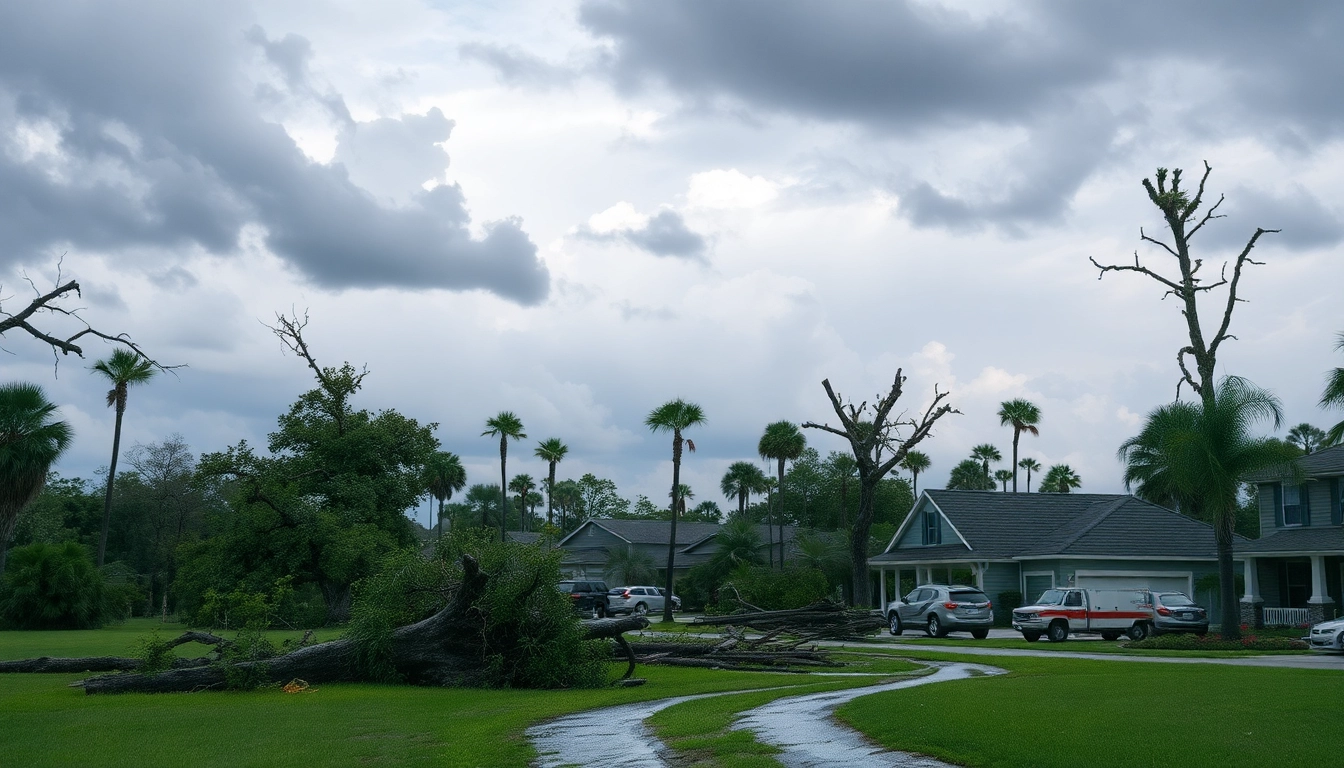
Understanding Florida Hurricane Damage
Florida is notorious for its vulnerable geographical position, subjecting it to the onslaught of hurricanes season after season. The devastation these storms can inflict on communities, infrastructure, and the local environment bears serious implications. As a resident or anyone engaging with the intricacies of Florida Hurricane Damage, understanding the causes, recent events, and statistics surrounding this topic is crucial for effective preparedness and recovery efforts.
Causes of Hurricane Damage in Florida
The causes of hurricane damage in Florida primarily stem from the combination of meteorological and geographical factors. The state sits in a region where warm ocean waters fuel the formation of tropical storms, making it susceptible to hurricanes which can rapidly intensify under these conditions. The moisture-laden air over the warm Gulf waters contributes to the energy that powers these storms, bringing heavy rainfall, high winds, and storm surges to coastal areas.
Moreover, urban development contributes to the severity of hurricane damage. Many coastal communities have expanded into vulnerable areas without adequate protective measures. Issues such as poor drainage systems, inadequate building codes, and the destruction of wetlands exacerbate potential damage during hurricane events. Understanding these factors is essential for addressing the vulnerabilities in the state's urban planning and disaster preparedness protocols.
Recent Hurricane Events and Their Effects
In recent years, Florida has faced numerous hurricanes that have left deep scars on both the physical and economic landscape. Notably, Hurricane Milton, a Category 3 storm, made landfall causing upwards of $100 billion in damages, crippling local economies and causing significant loss of life. Events like these highlight the urgent need for improved disaster preparedness protocols and the reevaluation of existing infrastructure to withstand such natural disasters.
Similarly, Hurricane Helene contributed to widespread destruction across several southeastern states, with Florida being one of the most significantly impacted. Such events raised critical discussions about the need for emergency response plans and adjustments to community resilience programs.
Key Statistics on Florida Hurricane Damage
To fully appreciate the impact of hurricanes on Florida, it's vital to consider key statistics illustrating the scope of damage inflicted. For example, in the past decade alone, hurricanes caused an estimated $50 billion in property damage across the state. Furthermore, the Florida Division of Emergency Management reports that approximately 1.5 million residents were evacuated during major storms, demonstrating the severity of hurricane threat faced in affected areas.
Moreover, the agricultural sector suffers significantly during hurricanes, with Hurricane Milton reportedly causing between $1.5 billion to $2.5 billion in damage to crops and infrastructure. As Florida is known for its vast agricultural contribution, the implications of recurring hurricane damage resonate throughout the economy.
Identifying Areas Most Affected by Hurricane Damage
Coastal vs. Inland Impacts
Understanding how hurricane impacts differ between coastal and inland areas is crucial for effective recovery strategies. Coastal areas typically face high winds, storm surges, and flooding, which can lead to severe structural damage to homes, businesses, and vital transportation routes. Regions like Miami-Dade and Broward County often suffer extensive beachfront and coastal property damage during tropical storms due to their location.
In contrast, inland communities, while generally less exposed to direct storm surges, still face the wrath of hurricanes in the form of heavy rainfall and strong winds. These areas may experience flash flooding, property damage, and power outages, albeit to a lesser degree than their coastal counterparts. Therefore, the nature and extent of damage must be assessed differently across these regions to ensure that appropriate resources and recovery efforts are allocated effectively.
Case Studies of Communities Hit Hard
Examining specific case studies provides a clearer picture of the hurricane's impact and the effectiveness of response strategies. The aftermath of Hurricane Andrew in 1992 remains salient in discussions about hurricane preparedness and response plans. This storm caused $27 billion in damages, devastating South Florida and resulting in substantial loss of life. The extensive damage prompted the government to reassess and subsequently strengthen building codes aimed at increasing wind resistance for homes and commercial buildings.
More recently, the devastation wrought by Hurricane Michael in the Panhandle exemplifies the unexpectedly high level of destruction that a hurricane can unleash. This storm resulted in over $25 billion in damages, prompting long-term recovery plans and federal assistance efforts. Analyzing these cases enables communities to learn from past mistakes and improve future preparedness.
Emergency Response Zones
In response to the potential for widespread hurricane damage, Florida has established emergency response zones designed to facilitate coordinated disaster response efforts. These zones are created to prioritize areas for evacuation, aid distribution, and recovery resources. Local governments work closely with state agencies and federal organizations to identify high-risk regions, often based on historical storm data and vulnerability assessments.
Having designated zones not only enhances response efficiency but also informs residents where to seek shelter and ensures that emergency services are adequately prepared to handle the challenging scenarios hurricanes present. Community awareness of these zones plays a vital role in promoting effective disaster preparedness.
Prevention and Preparation for Future Hurricane Damage
Building Codes and Regulations
One of the most effective ways to mitigate hurricane damage is through stringent building codes and regulations. Following significant hurricane events, Florida has developed comprehensive standards aiming to enhance the resilience of buildings against wind and water damage. Examples include requirements for reinforced roofs, impact-resistant windows, and raised foundations in flood-prone areas.
Continued enforcement of these regulations can dramatically reduce the vulnerability of structures during hurricanes. Homeowners and builders must stay informed of code updates and consider investing in retrofitting existing structures to meet the enhanced standards. Awareness of these regulations is essential for fostering a culture of preparedness within communities.
Emergency Kits and Supplies Planning
Preparation before hurricane season can substantially reduce panic and confusion for families and communities. Assembling an emergency kit should be a priority, containing essential items such as non-perishable food, water, medications, batteries, flashlights, and important documents. Local governments often provide specific recommendations on the supplies to include based on geographical vulnerabilities.
Moreover, families should develop an emergency communication plan to stay informed and connected during hurricane scenarios. This plan might include establishing communication methods, designating meeting points, and keeping emergency contacts updated. Engaging in community drills can further promote readiness throughout the state.
Community Resilience Programs
Apart from individual preparedness, community resilience programs aimed at boosting overall disaster readiness are essential. Florida has implemented several initiatives that promote collaboration among local governments, NGOs, and residents. These programs often offer training, resources, and workshops designed to raise awareness about hurricanes and disaster mitigating strategies.
An excellent example of community resilience efforts is the “Hurricane Preparedness Week,” where local authorities conduct workshops and distribute materials on disaster preparedness. Such programs create a synergy within communities, cultivating a culture capable of overcoming the adversities posed by hurricanes.
Assessing and Documenting Hurricane Damage
Importance of Accurate Damage Assessments
Post-hurricane assessments play a pivotal role in establishing the extent of damage and informing recovery efforts. Accurate and timely assessments are essential for ensuring that affected communities receive the correct amount of federal and state assistance. Florida has established protocols for conducting damage assessments that enable rapid reporting of severity levels and resource needs.
Moreover, understanding the specific types of damages—structural, economic, and environmental—helps tailor recovery approaches to local contexts. Efficient assessments ensure that response resources are appropriately allocated based on need, maximizing impact within communities. The participation of local officials, volunteers, and community members often enhances the accuracy of such evaluations.
How to Document Damage Effectively
Documenting damage effectively involves thorough preparation before a hurricane strikes, as well as strategic actions after an event. Homeowners should maintain a current inventory of property and possessions, including photographs and receipts, which can serve as evidence for insurance claims and government assistance applications.
Post-event, individuals should take comprehensive photographs of the damage immediately after the storm, ensuring clear, detailed documentation that captures the situation from multiple angles. Additionally, officials recommend keeping a journal detailing the assessment process, including dates, times, and affected areas to aid in future discussions with insurers or recovery organizations.
Utilizing Technology for Damage Assessment
The increasing use of technology has revolutionized the way damage assessments are conducted. Drones and satellite imagery are becoming standard tools for mapping disaster zones, providing detailed aerial overviews that might be difficult to obtain through traditional methods. These technologies enable quicker, more accurate reporting on the extent of damages caused by hurricanes, allowing for more effective resource allocation.
Moreover, mobile applications that facilitate tracking and reporting damages have made it easier for community members to contribute to overall damage assessments. This collaborative use of technology helps speed up response times and enhance community involvement in the recovery process.
Recovery Strategies Post-Hurricane Damage
Government Assistance Programs
Recovery from hurricane damage is often supported by various government assistance programs aimed at helping individuals and communities regain stability. The Federal Emergency Management Agency (FEMA) provides financial aid for homeowners and businesses impacted by disasters. This assistance may cover temporary housing, home repairs, and other disaster-related expenses.
State-level programs also address localized needs and may offer grants for community rebuilding initiatives. Local governments often create partnerships with non-profits to distribute resources and foster community rebuilding efforts, ensuring that all affected individuals receive appropriate support.
Insurance Claims Process Explained
Understanding the insurance claims process can significantly affect recovery speed. Homeowners in Florida must familiarize themselves with the terms and conditions of their policies, including coverage limits, deductibles, and specific hurricane-related provisions.
To initiate a claim, homeowners should report the damage to their insurer as soon as possible, documenting all damages with photographs and written descriptions. Maintaining clear records of all communications with insurers and receiving representatives is crucial for ensuring a fair claims process. Frequent follow-ups can help keep track of claim status and expedite resolution. Familiarity with state-specific regulations and deadlines for filing claims is also essential for navigating this complex process efficiently.
Long-Term Recovery Planning
Long-term recovery planning must begin soon after a hurricane hits, as rebuilding efforts can take years to complete. Communities should develop comprehensive recovery plans addressing not only immediate needs but also long-term strategies for resilience against future hurricanes. Involving community members in this planning process ensures a shared vision and commitment to rebuilding efforts.
Furthermore, integrating sustainable practices during recovery—such as enhancing floodplain management, investing in green infrastructure, and focusing on renewable energy sources—can create more resilient communities capable of withstanding future disasters. This commitment to long-term recovery fosters more robust, self-sufficient communities, ultimately reducing the overall impact of future hurricane damage.