Understanding Shower Screen Door Types
Shower screen doors have become essential in modern bathroom designs, offering functionality and aesthetic appeal. Understanding the different types available can significantly contribute to enhancing your bathroom’s style and utility. This guide will delve into the various types, including shower screen door options, and how they can impact your daily routine.
Frameless vs. Framed Shower Screen Doors
Choosing between frameless and framed shower screen doors essentially boils down to the look you desire and the space you have. Frameless designs exude a clean, contemporary aesthetic, enhancing light flow and giving the illusion of more space. They typically feature thicker glass and minimal hardware, making them a favorite among modern design enthusiasts.
In contrast, framed shower screen doors are often more budget-friendly and provide a sturdier option due to their supportive frames. This choice can be advantageous in smaller bathrooms or for those looking for durability and easier installation. While framed doors can feel bulkier, they come in various styles and finishes that can suit traditional and contemporary designs alike.
Sliding vs. Hinged Shower Screen Doors
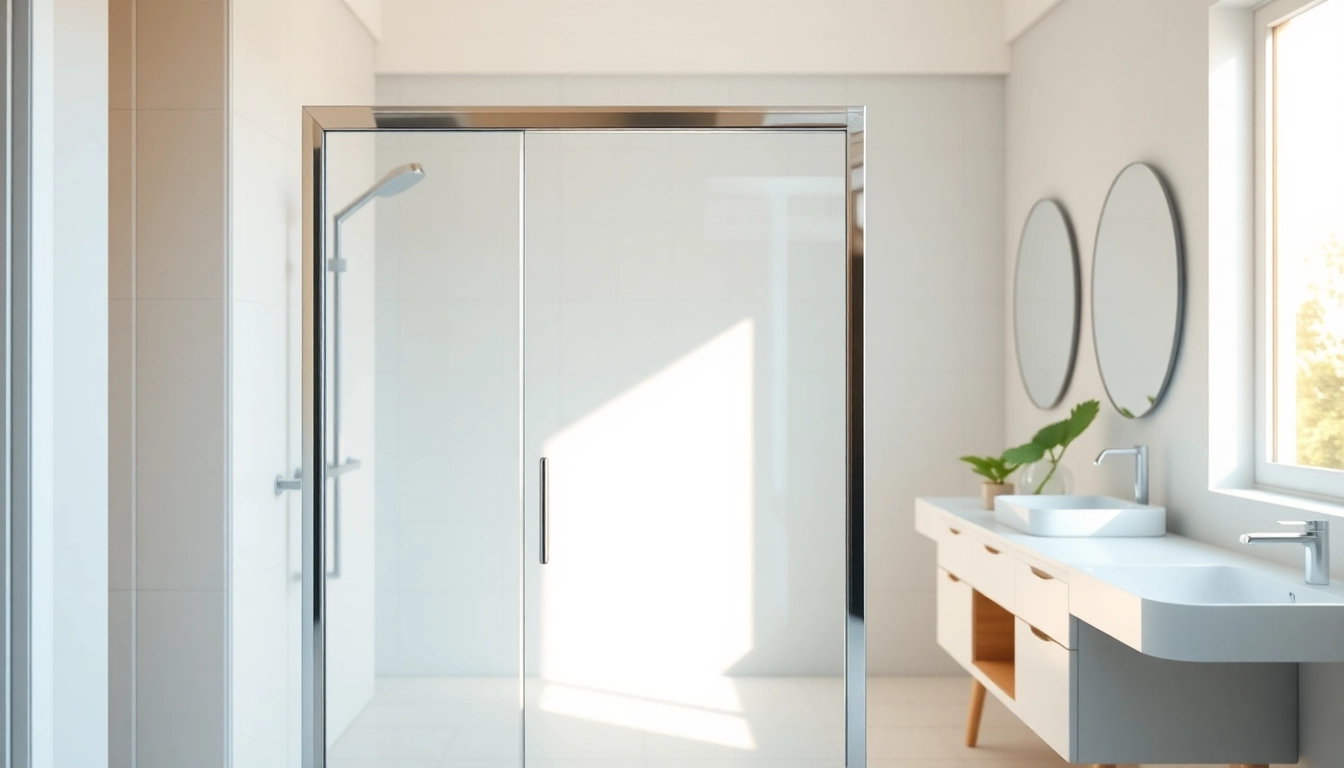
When deciding on shower screen doors, the choice between sliding and hinged models is crucial. Sliding shower screen doors operate on a track and do not open into the bathroom space, making them ideal for smaller bathrooms where swing doors might be impractical. This type often features a more modern look and can include multiple panels for larger enclosures.
Hinged doors, however, swing outward, providing easy access and a luxurious feel. They work well in spacious bathrooms and can accommodate various styles, from minimalistic to ornate designs. Understanding the layout of your bathroom and the available space can help determine which type suits your needs best.
Choosing Glass Thickness in Shower Screen Doors
The thickness of the glass you choose for your shower screen door not only affects aesthetics but also safety and durability. Standard glass thicknesses for shower doors typically range from 6mm to 10mm. Thicker glass offers enhanced stability and a more premium appearance, reducing the chances of breakage.
For frameless designs, a thickness of at least 8mm is recommended for safety and sturdiness. Conversely, framed doors can utilize 6mm glass, allowing for a more lightweight option while still maintaining strength. Consider your bathroom's layout and family needs when selecting the appropriate glass thickness.
Benefits of Installing a Shower Screen Door
Whether renovating or building a new bathroom, installing a shower screen door provides numerous benefits beyond just the aesthetic improvements. Understanding these advantages can guide you toward making an informed decision.
Improved Aesthetics with Shower Screen Doors
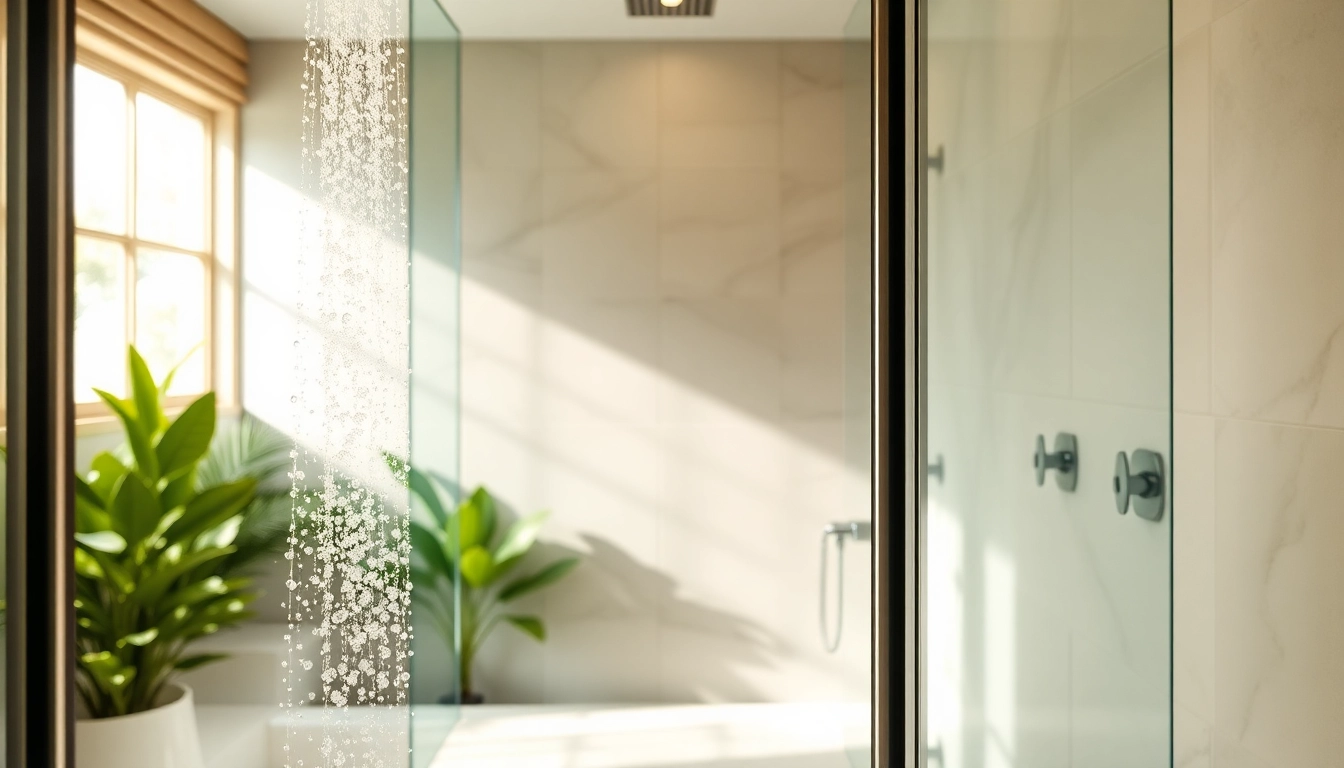
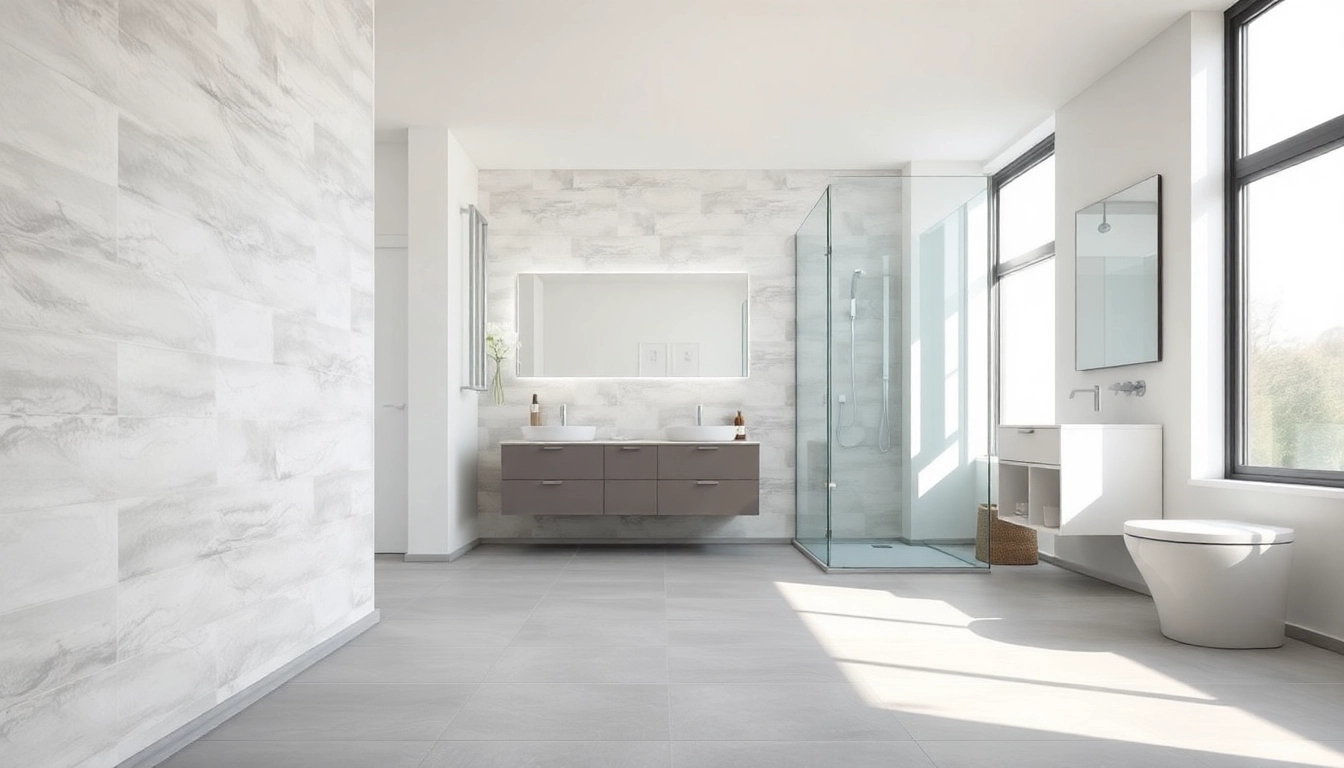
One of the most appealing aspects of shower screen doors is their ability to instantly elevate the look of a bathroom. Available in various styles and finishes, they enhance your space's overall design, contributing to a sleek and modern appearance. Frameless designs, in particular, can create an illusion of space and openness, making bathrooms appear larger than they are.
Moreover, the clarity and simplicity of glass doors allow for elegant tile and fixture displays to be visible, effectively transforming your bathroom into a stylish haven.
Water Containment Advantages of Shower Screen Doors
Another significant advantage of shower screen doors is their capability to contain water splashes within the shower area. Unlike shower curtains that can billow and allow water to escape, shower screen doors provide a reliable barrier, helping to maintain a dry bathroom floor.
This containment reduces the chances of slips and falls, a crucial safety factor, especially for households with young children or elderly members. Additionally, preventing water from escaping helps to avert long-term moisture damage and mold growth.
Easy Maintenance of Shower Screen Doors
Shower screen doors are typically easier to maintain than traditional shower curtains. The glass surface can be cleaned quickly with glass cleaner or vinegar solutions, preventing grime and soap scum buildup. Compared to fabric curtains that require regular washing and might harbor mold, glass doors provide a more sanitary option.
Moreover, properly sealed glass doors can resist hard water stains, further simplifying upkeep. For homeowners seeking low-maintenance options, shower screen doors are a smart choice.
Factors to Consider When Selecting a Shower Screen Door
Choosing the right shower screen door involves considering several factors that align with your bathroom's design, size, and functional needs. Here's a closer look at what to consider during the selection process.
Space and Layout Considerations
The first aspect to consider when selecting a shower screen door is your bathroom's layout and available space. Identify if your bathroom can accommodate a sliding or hinged door based on clearance and functionality. For smaller or tighter spaces, sliding doors are often the best fit.
Evaluate whether you need a single panel or multiple sections based on your shower's dimensions. Remember, functionality should drive your choice to ensure a good fit that complements the overall layout.
Material Choices for Shower Screen Doors
Shower screen doors come in a variety of materials, primarily glass. However, the type of glass can vary: tempered glass is most common for its strength and safety features, while laminated glass provides additional protection against shattering.
Furthermore, consider the frame material if you opt for framed doors. Common options include aluminum and stainless steel, both offering different aesthetic and durability characteristics. Your choice will depend on your desired look and level of maintenance acceptable to you.
Budgeting for Your Shower Screen Door
Establishing a clear budget for your shower screen door is essential before making a purchase. Costs can vary greatly depending on size, material, thickness, and whether a professional installation is required. Frameless designs and thicker glass generally come at a premium price due to their aesthetic appeal and added durability.
Factor in potential installation costs, especially if you opt for custom designs. By setting a budget, you'll be better equipped to find a shower screen door that fits your aesthetic needs without overspending.
DIY Installation or Professional Help?
Once you’ve selected the right shower screen door, the next step is deciding how to install it. Do-it-yourself options can save money, but assessing your skills and the complexity of the installation is crucial.
Assessing Your DIY Skills for Shower Screen Doors
Before embarking on a DIY installation journey, it's essential to honestly assess your handyman skills. Installing shower screen doors typically involves precise measurements, leveling, and possibly drilling into tile or drywall, which may challenge those with limited experience.
If you're comfortable with tools and have performed similar installations, you may find a DIY installation rewarding and cost-effective. However, lacking experience can lead to mistakes that may incur additional costs down the line.
When to Hire a Professional for Shower Screen Door Installation
Opting to hire a professional for your shower screen door installation may be wise if you are uncertain about performing it yourself. Professionals can ensure proper installation, avoiding common pitfalls, and guarantee that the door operates smoothly.
Additionally, if your bathroom features custom layouts or if retrofitting is required, professional installation may save time and frustration, providing peace of mind that every detail is handled accurately.
Common Installation Mistakes to Avoid
Whether you decide on DIY installation or hire a professional, being aware of common mistakes can help avoid issues. Inaccurate measurements can lead to fitting problems, so always double-check before cutting or installing.
Using improper tools or techniques for installation can also jeopardize the door's longevity and functionality. If opting for DIY, consult manufacturer instructions and consider assembling a toolbox with necessary components to ensure a successful installation.
Frequently Asked Questions about Shower Screen Doors
How do I choose the right size for my shower screen door?
Measure the shower opening width and height accurately. Consider door type; sliding doors need extra room for operation, while hinged doors require space to swing open.
What maintenance is required for shower screen doors?
Regular cleaning with a glass cleaner, or a vinegar solution, can prevent soap scum buildup. Ensure the seals remain intact to avoid leaks and mold.
Are frameless shower screen doors safe?
Yes, frameless shower screen doors are safe when made of tempered glass. It is shatter-resistant and typically thicker for added durability.
Can I install a shower screen door on my own?
Yes, if you have the right tools and skills. However, if unsure, consider hiring a professional to ensure a proper fit and function.
What is the average cost of a shower screen door?
The average cost varies widely based on size, material, and design. Generally, you can expect to spend from a few hundred to a couple of thousand pounds.