
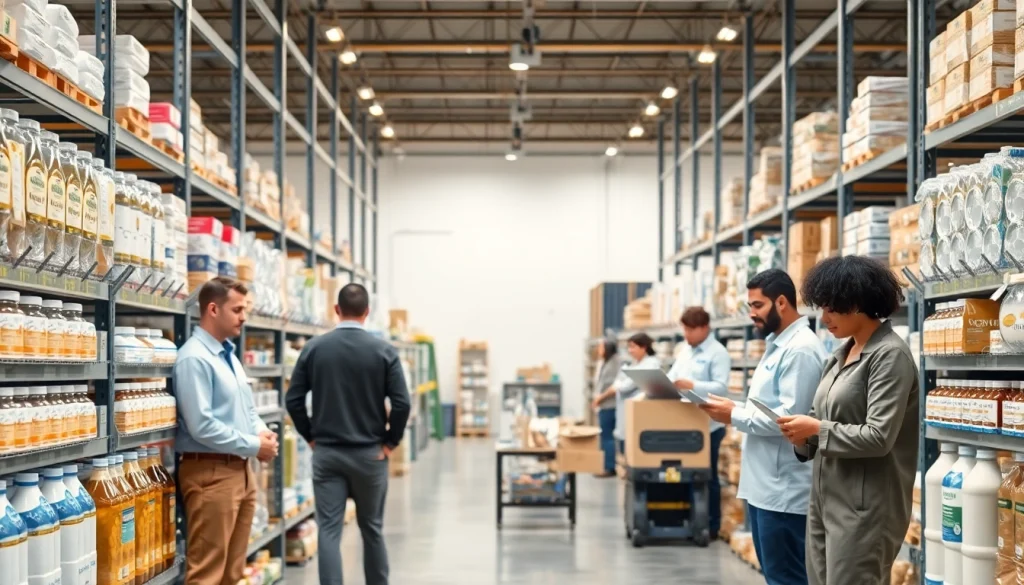
Understanding the Sweetener Supplier Role
As the demand for sweeter products continues to rise, the role of a sweetener supplier becomes increasingly significant. Sweetener suppliers are pivotal in providing various sweetening agents ranging from traditional sugars to alternative, low-calorie options. These suppliers not only supply ingredients but also contribute to innovation, sustainability, and quality assurance in food and beverage products.
What is a Sweetener Supplier?
A sweetener supplier is a company that sources, processes, and distributes sweetening agents for various industries, primarily food and beverage. They offer a diverse range of products, including granulated, liquid, and powdered sweeteners derived from natural and synthetic sources. Their responsibilities encompass ensuring product availability, managing supply chains, and adhering to health and safety regulations relevant to food ingredients.
Importance of Quality Supply Chain
The quality of a supply chain in the sweetener industry is crucial. It affects the sustainability and safety of products delivered to consumers. Sweetener suppliers must engage with trusted sources, utilize robust processing methods, and implement strict quality assurance protocols to maintain their product integrity. Effective supply chain management not only ensures consistency in product quality but also enhances customer satisfaction and loyalty.
Benefits of Choosing a Reliable Supplier
Partnering with a reliable sweetener supplier provides several benefits, including:
- Consistent Quality: Ensures high-quality ingredients that meet health and safety standards.
- Variety of Options: Access to a diverse range of sweeteners, allowing businesses to cater to different consumer preferences.
- Technical Support: Suppliers often provide R&D support, helping clients innovate their product lines.
- Cost Efficiency: Reliable suppliers can offer competitive pricing through efficient logistics and sourcing practices.
Types of Sweeteners Offered
Understanding the types of sweeteners available in the market is essential for businesses looking to enhance their product offerings. Sweetener suppliers often classify their products into several categories.
Conventional vs. Alternative Sweeteners
Conventional sweeteners generally refer to traditional sweetening agents like sucrose, glucose, and fructose, while alternative sweeteners include no-calorie and reduced-calorie options like stevia, aspartame, and erythritol. The market shift towards health-conscious products has driven the demand for these alternative solutions.
Organic Sweetener Options
Organic sweeteners are derived from crops grown without synthetic fertilizers or pesticides. They align with the growing consumer preference for natural products, appealing to health-conscious consumers. Some popular organic sweeteners include organic cane sugar, maple syrup, and agave nectar. Suppliers that provide these options can leverage market trends favoring organic and clean-label products.
Customizable Sweetener Solutions
Many sweetener suppliers offer customizable sweetener blends tailored to specific customer needs. This can include adjustments in sweetness profiles, flavor enhancement, and functional benefits (e.g., reduced calorie content or amplification of healthy attributes). Custom solutions can be crucial for branding and creating unique market offerings.
Evaluating Sweetener Suppliers
Selecting the right sweetener supplier involves a thorough evaluation process. Businesses need to consider various factors that impact the supplier’s capability and reliability.
Quality Assurance Practices
Quality assurance practices are critical for ensuring that the sweeteners supplied are safe and meet nutritional requirements. Suppliers should follow stringent quality control processes, including regular testing for contaminants, adherence to compliance standards, and maintaining necessary certifications.
Supplier Certifications and Standards
Certifications such as ISO 9001 and SAFETY certified standards (for food safety) prove the supplier’s commitment to quality and safety. Verify suppliers hold relevant approvals and recognition that can safeguard your business against potential liabilities.
Customer Service and Support
Excellent customer service is vital when working with a supplier. This includes transparency regarding orders, proactive communication regarding supply issues, and providing timely responses to inquiries. Suppliers who invest in customer relationships contribute significantly to their clients’ operational success.
Cost Considerations in Supplier Selection
Cost is a significant factor when choosing a sweetener supplier, but decisions should extend beyond surface-level pricing.
Understanding Pricing Models
Sweetener suppliers may use various pricing models, including cost-plus pricing, market-oriented pricing, or customized agreements depending on the volume and nature of the business. Understanding how suppliers structure their pricing can help in assessing value.
Hidden Costs to Watch Out For
Identifying hidden costs is critical, as they can significantly inflate the overall expenditure. These could include fees for delivery, handling, or quality control. It’s prudent to request detailed quotes and clarify all potential additional costs upfront.
Negotiating Better Rates
When negotiating with suppliers, leverage potential bulk orders, long-term contracts, or exclusive agreements to negotiate better rates. Building a solid partnership can yield financial advantages over time.
Future Trends in Sweeteners
The sweetener market is continually evolving, and staying abreast of the latest trends can offer significant competitive advantages.
Emerging Ingredients and Innovations
New sweeteners and alternative ingredients are gaining traction, such as allulose and monk fruit extracts. Innovations in processing techniques, which enhance sweetener efficacy and reduce costs, are also becoming paramount for suppliers aiming to stay ahead.
Sustainability in Sweetener Production
Sustainability is a growing concern and an essential trend within food production. Sweetener suppliers that adopt green practices—such as using renewable energy sources, minimizing waste, and sustainable sourcing of raw materials—will appeal to environmentally conscious consumers and brands.
Conclusion: Finding the Right Fit
Finding the right sweetener supplier is pivotal for businesses aiming to thrive in a competitive landscape. By understanding the role, evaluating the types of sweeteners offered, assessing supplier capabilities, and considering cost factors, companies can make informed decisions. A reliable sweetener supplier acts not only as a provider but as a partner in innovation and quality assurance.
FAQs About Sweetener Suppliers
What types of sweeteners can I source from suppliers?
Sweetener suppliers offer a variety of options, including conventional sugars, alternative low-calorie sweeteners, organic products, and customizable blends tailored to specific requirements.
How do I evaluate a sweetener supplier?
To evaluate suppliers, consider their quality assurance practices, certifications, customer service, pricing models, and reliability in meeting your demands.
Why is sustainability important for sweetener suppliers?
Sustainability is essential as it improves brand image, meets regulatory requirements, and caters to consumer preferences for environmentally friendly products.
Can suppliers provide customizable sweetener solutions?
Yes, many suppliers offer customizable sweetener solutions that can be tailored to different taste profiles and functional requirements, helping brands stand out.
What are the common pricing models for sweeteners?
Common pricing models include cost-plus pricing, market-based pricing, and customized pricing agreements based on volume, specific needs, and long-term partnerships.