Understanding Transportation: Key Concepts and Definitions
Transportation serves as the backbone of modern economies, facilitating the movement of individuals and goods from one location to another. The Transportation sector is critical as it not only connects communities but also enhances trade and commerce. This comprehensive article will delve into the various facets of transportation, exploring its fundamental importance, the diverse modes available, and the many innovations shaping its future.
The Importance of Transportation in Daily Life
Every day, people and goods rely on transportation for daily activities—from commuting to work and school, to delivering products to retail stores. Transportation enables social interaction, influences business practices, and impacts the economy profoundly. In urban settings, transportation infrastructure affects real estate prices, job creation, and urban development. Additionally, effective transportation systems can lessen traffic congestion and reduce environmental impacts, demonstrating their critical role in sustainable development.
Different Modes of Transportation Explained
Understanding the term 'transportation' requires a look into its various methods which can be categorized broadly into four types: Land, Water, Air, and Space. Each mode has distinct characteristics, advantages, and applications.
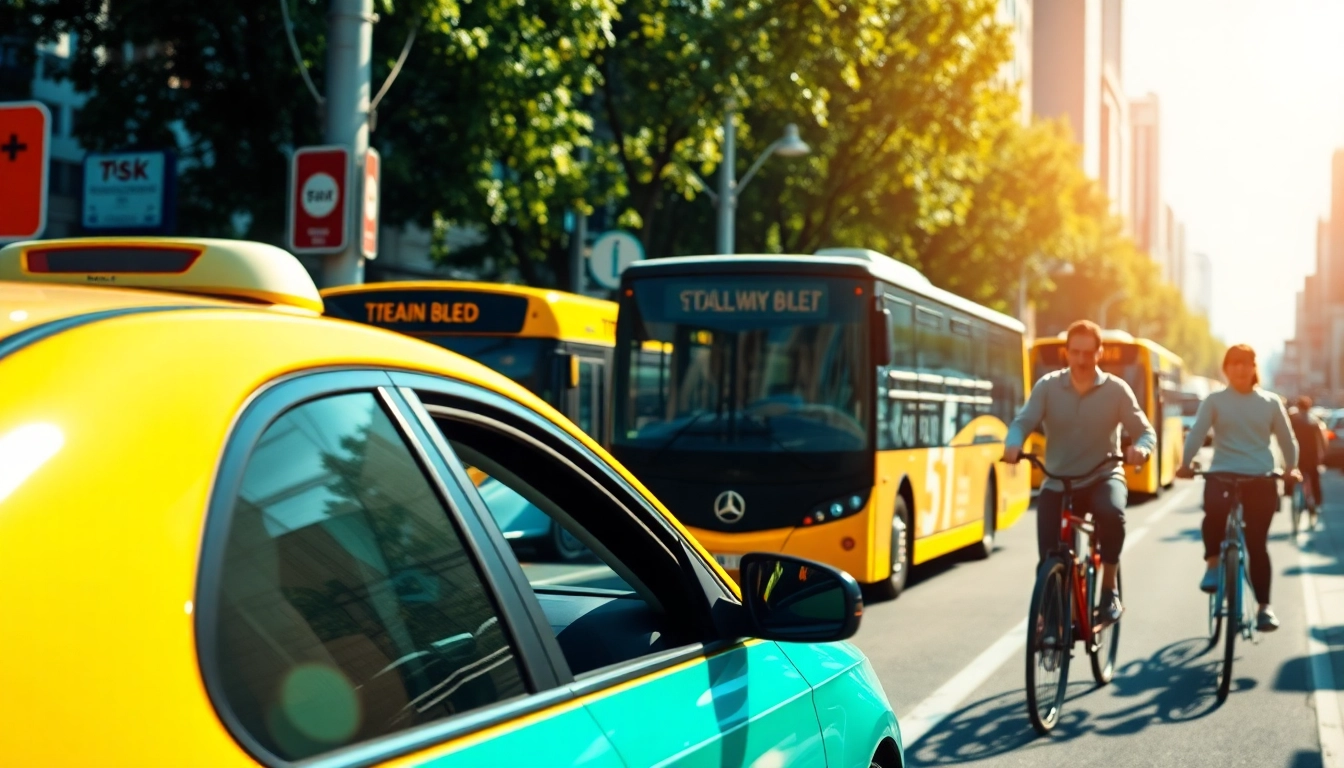
- Land Transportation: This includes vehicles such as cars, buses, motorcycles, bicycles, and trains. Land transportation is the most common form due to its accessibility and efficiency, especially in urban areas.
- Water Transportation: Utilized for moving goods and passengers over rivers, lakes, and oceans. Modes include ships, boats, and barges. Water transport is cost-effective over long distances for bulk goods.
- Air Transportation: Involves the use of aircraft to transport passengers and cargo. While air travel is the fastest, it is typically more expensive and less accessible to remote areas.
- Space Transportation: Though primarily for research and exploration, it includes spacecraft launching for satellites, space station supplies, and future commercial aviation to space.
Transportation Terminology That Matters
To effectively navigate the transportation industry, it's essential to understand key terminology such as:
- Logistics: This term refers to the detailed coordination of complex operations involving people, facilities, and supplies.
- Freight: Goods transported, especially in bulk by truck, train, ship, or aircraft.
- Public Transport: Transportation services available to the general public, often operated on a schedule and featuring fixed routes.
Exploring Various Modes of Transportation
Public Transportation: Accessibility and Benefits
Public transportation systems, such as buses, subways, and trains, provide extensive benefits not only for commuters but for urban environments as a whole. These systems help reduce traffic congestion, lower carbon footprints, and increase mobility for disadvantaged populations.
Accessibility
Public transport plays a vital role in ensuring that individuals without cars, including the elderly, disabled people, and low-income individuals, have the opportunity to engage with their communities. Infrastructure improvements, such as ramps and automated systems, enhance accessibility and usability for everyone.
Benefits
By patronizing public transportation, individuals can save on costs associated with owning and maintaining a vehicle, including fuel, insurance, and parking. Additionally, public transport services can stimulate local economies through increased foot traffic in neighborhoods.
Private Transportation Options: Cars, Bicycles, and More
Private transportation offers flexibility and convenience, especially for individuals with specific commuting needs or those living in areas not serviced by public transit. Whether it involves riding a personal car, motorcycle, or bicycle, private transport poses significant advantages despite higher associated costs.
Cars and Motorcycles
For many, personal vehicles are a necessity. Cars provide convenience, comfort, and privacy that public transport cannot match. However, they also contribute to traffic congestion and pollution, leading to movements favoring carpooling and shared transportation services such as ride-sharing apps.
Bicycles
With an increased focus on health and environmental sustainability, cycling has gained popularity as an alternative mode of transportation. Cities are responding with improved cycling infrastructure including bike lanes and parking facilities, supporting cycling as a healthy and eco-friendly transportation option.
Emerging Trends in Transportation Technologies
Innovations such as electric vehicles (EVs), autonomous vehicles, and smart traffic management systems are revolutionizing the transportation landscape.
Electric Vehicles (EVs)
As concern for climate change and air quality rises, the demand for electric vehicles has surged. EVs contribute to lower greenhouse gas emissions and offer cost savings in fuel and maintenance.
Autonomous Vehicles
The development of self-driving technology presents the promise of reduced accidents and improved traffic efficiency. However, legislation and public acceptance are key factors that will determine the pace of their adoption.
Comparing the Benefits of Different Transportation Types
Cost-Effectiveness of Public vs. Private Transport
When evaluating transportation options, understanding the cost-effectiveness of public versus private modes is essential. Public transportation typically costs less in terms of direct expenses to users compared to the cumulative costs of vehicle ownership, maintenance, fuel, and parking associated with private transportation.
Environmental Impact of Various Transport Modes
Transportation contributes significantly to greenhouse gas emissions. While cars and planes tend to have higher carbon footprints, public transport and non-motorized options such as cycling and walking offer lower-impact alternatives. Promoting greener transport modes can substantially reduce an area's overall emissions.
The Role of Urban Planning in Transportation
Urban planning heavily influences how transportation systems are structured. Integrating transportation solutions into urban designs, such as mixed-use developments and pedestrian-friendly spaces, can encourage public transport usage and reduce reliance on personal vehicles.
Challenges in Transportation: Common Issues and Solutions
Traffic Congestion and Its Effects
One of the most persistent challenges in urban areas is traffic congestion, resulting from a high volume of vehicles on roadways. Solutions may range from improving public transportation systems to implementing congestion pricing that discourages through traffic in busy areas.
Safety Concerns in Different Transportation Modes
Every transportation mode poses specific safety challenges, necessitating a comprehensive approach to enhance overall safety. Enhanced regulations on driver behavior, vehicle maintenance, and pedestrian protection measures can help reduce accidents.
Policy Approaches to Improve Transportation Systems
Various policies impact transportation systems, from funding for infrastructure developments to regulations on emissions. Policymakers should prioritize investments in public transport, emerging technologies, and multi-modal integrations to enhance overall mobility and connectivity.
Future of Transportation: Innovations on the Horizon
Electric and Autonomous Vehicles in Transportation
The future of transportation lies in the extensive adoption of electric and autonomous vehicles. As battery technologies advance and production scales increase, the cost of EVs continues to drop, making them more accessible.
The Role of Technology in Enhancing Transportation
Technology enhances transportation efficacy through innovations like AI for traffic management, mobile applications for transport scheduling, and IoT devices that monitor vehicle and infrastructure health. These advancements contribute to safer and more efficient transport systems.
Trends Shaping the Future of Urban Mobility
Shifts in demographics, the rise of remote work, and environmental concerns shape the evolution of urban mobility. Cities are increasingly adopting flexible and shared transportation systems, incorporating ride-sharing services and electric bike rentals to meet changing demands.
This comprehensive examination highlights the intricate role transportation plays in our daily lives and its ongoing evolution. Policymakers, urban planners, and businesses would benefit from understanding these dynamics to foster improved transportation systems that meet the growing and changing needs of our society.