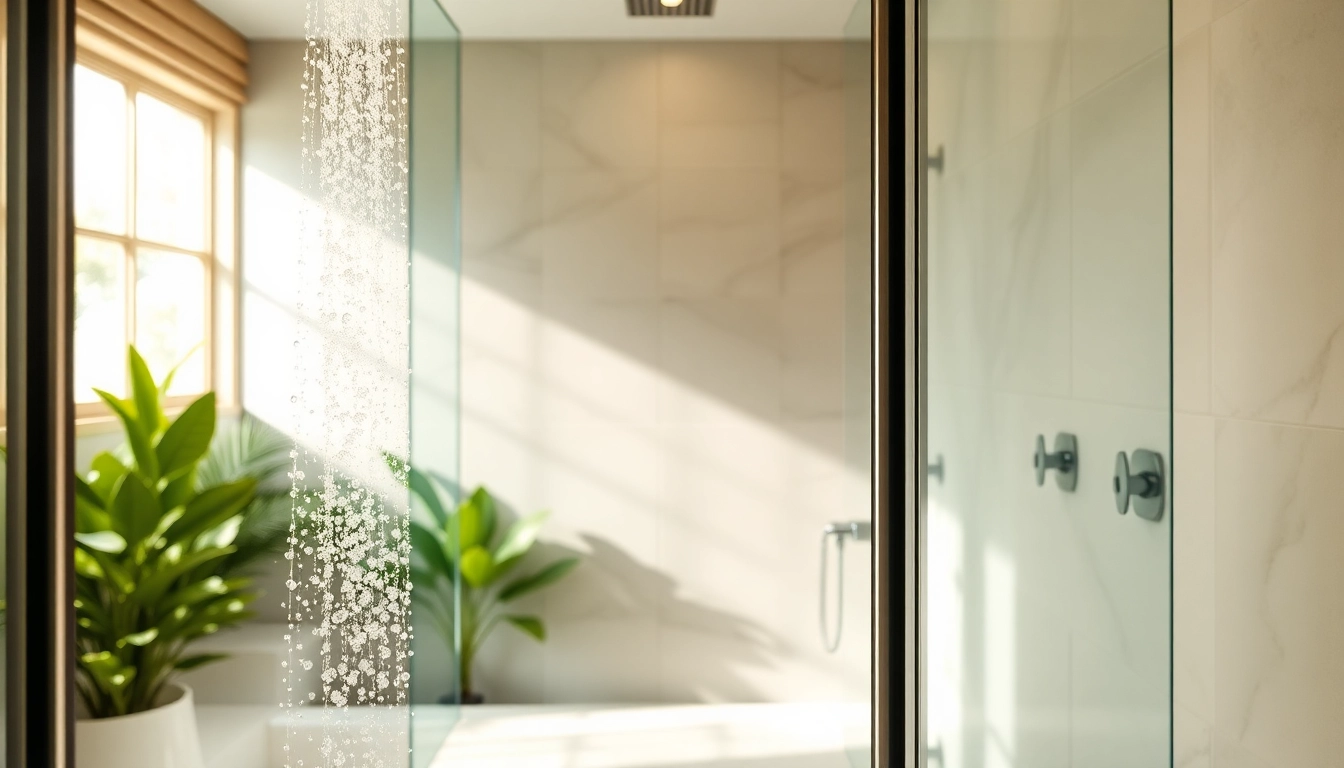
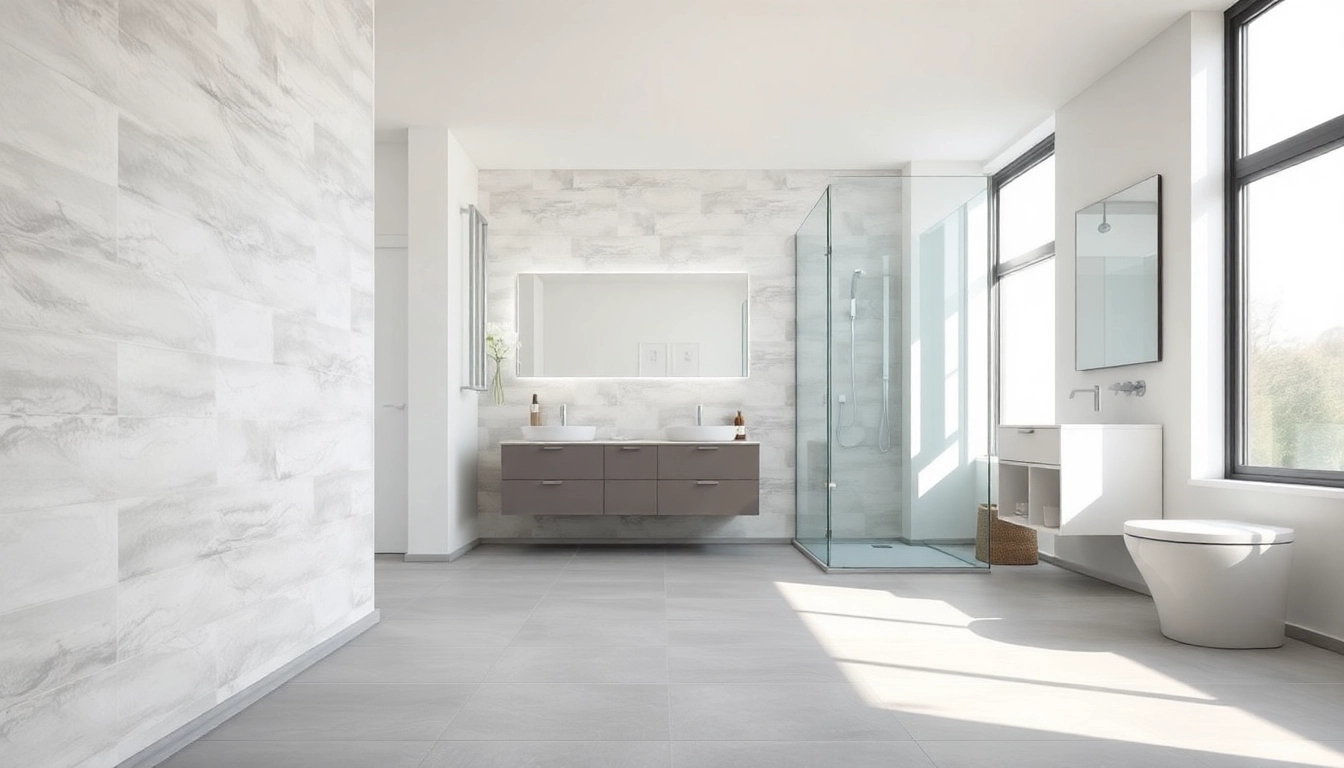
Introduction to Sliding Shower Door
When it comes to bathroom design, the function and aesthetics of every element matter immensely. One of the most practical and elegant choices for modern bathrooms is the sliding shower door. These doors not only enhance the visual appeal of a space but also improve accessibility, making them a popular option among homeowners. In this comprehensive guide, we will explore the essentials of sliding shower doors, including their advantages, installation processes, maintenance tips, and more.
What is a Sliding Shower Door?
A sliding shower door is a type of shower enclosure that operates by sliding along a track, allowing for seamless entry and exit from the shower space. Unlike traditional hinged doors that swing open, sliding doors are ideal for compact spaces, maximizing the usable square footage in a bathroom. They are typically made of glass and can be framed, semi-frameless, or frameless, catering to various design preferences and functional requirements.
Benefits of Sliding Shower Door
Sliding shower doors come with an array of benefits that make them an attractive choice for homeowners:
- Space Efficient: The sliding mechanism allows for door operation without requiring extra floor space, making them perfect for smaller bathrooms.
- Easy Accessibility: The smooth gliding feature facilitates effortless entry and exit, enhancing the usability of the shower space.
- Aesthetic Appeal: With options ranging from modern designs to classic frames, these doors can significantly elevate the overall look of your bathroom.
- Minimal Maintenance: Sliding glass doors are relatively easy to clean, and options like frameless designs eliminate grout lines, reducing mold accumulation.
- Increased Light: Glass panels enhance natural light within the shower area, contributing to a bright and airy feel.
Ideal Spaces for Sliding Shower Door
Sliding shower doors fit exceptionally well in various bathroom layouts:
- Small Bathrooms: Their space-saving design is ideal for compact areas where a standard swinging door would be impractical.
- Luxury Bathrooms: In high-end designs, frameless sliding shower doors offer a sleek look that complements grandeur.
- Walk-in Showers: These doors frame the open concept elegantly, providing a classic touch without obstructing views.
- Bathtub Showers: They can also be utilized for tub enclosures to delineate the showering area effectively.
Types of Sliding Shower Door
Depending on your bathroom's style and your preference, sliding shower doors come in several configurations. Understanding these types can help you make an informed choice.
Framed Sliding Shower Door
Framed sliding shower doors are constructed within a supportive frame that is typically made of aluminum or other durable metals. This framing not only adds structural integrity but also allows for a wider variety of design and color options. They provide adequate stability and are often more affordable than frameless options. However, the frame may be prone to accumulating grime.
Semi-Frameless Sliding Shower Door
Semi-frameless sliding shower doors meld the traditional framed design with a more modern look. The bottom rail provides support while the sides remain clear of framing to create a less obstructive appearance. This type balances aesthetics and structural support, making them a favorite for those looking to achieve a clean, modern design.
Frameless Sliding Shower Door
Frameless sliding shower doors feature a sleek, contemporary look by eliminating the outer frame, making them highly desirable for modern bathrooms. They are generally made from thicker glass, providing durability and safety, although this option tends to be more costly. The absence of a frame allows for better light flow and an unbroken view, which creates an illusion of more space.
Installation Process for Sliding Shower Door
Installing a sliding shower door may seem daunting, but with the right tools and preparation, it can be a straightforward DIY project. Here’s a detailed guide to help you through each phase.
Preparation Steps
Before beginning the installation, ensure you gather the necessary tools and materials:
- Measuring tape
- Drill and drill bits
- Level
- Screwdriver
- Sealant
- Sliding door kit (includes tracks, rollers, and door panels)
Next, ensure your shower area is clean and dry. Measure the width and height of your shower opening to ensure your new sliding shower door will fit correctly.
Installation Instructions
- Install the Top Track: Locate the center of the shower entrance and mark it. Use a level and a pencil to draw a line where the top track will be installed.
- Attach the Track: Secure the track to the wall using appropriate screws, ensuring it is level and tight against the surface.
- Install the Wall Jambs: Attach the vertical wall jambs to the sides of the shower opening, making sure they align with the top track.
- Attach Bottom Track: Install the bottom track in the shower area, ensuring that it aligns perfectly with the top track.
- Add Rollers and Glass Panels: Attach the rollers to the top edge of the glass panels and hang them on the top track. Then secure the bottom of the panels into the bottom track.
- Seal the Install: Apply a waterproof sealant along the edges to prevent water seepage and finish the installation.
Common Mistakes to Avoid
When installing sliding shower doors, it's essential to avoid common pitfalls that can lead to unsatisfactory results:
- Incorrect Measurements: Ensure you double-check all measurements to prevent discrepancies during installation.
- Poorly Secured Tracks: Proper securing of tracks is crucial to avoid door misalignment and functionality issues.
- Skipping Sealant: Always seal edges to enhance water resistance and prevent leaks.
Maintenance Tips for Sliding Shower Door
Taking care of sliding shower doors will prolong their lifespan and maintain their aesthetic appeal. Regular maintenance is essential, especially if they are made of glass.
Cleaning Techniques
To keep your sliding shower door sparkling clean, follow these techniques:
- Daily Wipe Down: Use a squeegee or microfiber cloth after each use to prevent soap scum and hard water stains.
- Deep Cleaning: Once a week, clean the glass with a mixture of vinegar and water or a commercial glass cleaner for a streak-free finish.
- Track Cleaning: Regularly remove debris from the tracks to ensure the door slides freely.
Regular Inspections
Conduct regular inspections to catch potential issues before they escalate:
- Check for rust on metal components.
- Inspect seals for wear and tears.
- Ensure rollers are intact and functioning correctly.
Troubleshooting Common Issues
Here are solutions for typical problems encountered with sliding shower doors:
- Door Doesn’t Slide Properly: This often indicates dirty tracks or worn rollers. Clean the tracks thoroughly, and replace the rollers if necessary.
- Water Leaks: Inspect seals and apply new sealant if necessary. Ensure the door is fitted correctly within the tracks.
FAQs about Sliding Shower Door
How much do sliding shower doors cost?
The cost of sliding shower doors typically ranges from $700 to $2,000, depending on material quality, design, and customizations.
Are sliding shower doors suitable for small bathrooms?
Yes, sliding shower doors are ideal for small bathrooms due to their space-saving design, allowing for maximum usable area.
What materials are used in sliding shower doors?
Sliding shower doors are commonly made from tempered glass, which is durable and safe, and are framed with materials like aluminum or stainless steel.
How do I measure for a sliding shower door?
Measure the height and width of the shower opening. It's essential to take measurements at multiple points for accuracy to ensure a proper fit.
Can I install a sliding shower door myself?
Yes, provided you have basic DIY skills, you can successfully install a sliding shower door by following detailed instructions and ensuring proper measurements.