Understanding Hardscapes: Definition and Importance
What are Hardscapes?
Hardscapes refer to the non-plant elements in landscaping, including features such as patios, walkways, retaining walls, and decks. Unlike softscapes, which encompass the living elements of your landscape such as trees, plants, and lawns, hardscapes play an essential role in providing structure, functionality, and aesthetic appeal to outdoor spaces. By effectively integrating hardscapes into your landscaping design, you can create a harmonious balance that elevates the overall appearance of your home.
The Role of Hardscapes in Landscaping
Hardscapes serve multiple roles in landscaping that extend beyond mere decoration. Firstly, they provide organization and layout to the outdoor spaces, guiding movement and directing flow. Pathways and driveways make navigation easy, while patios and decks offer designated areas for relaxation and entertainment. Secondly, hardscapes assist in controlling erosion and managing water runoff, thus stabilizing the landscape and preventing damage to gardens and lawns. Lastly, they contribute significant value and curb appeal to a property, making them key elements in landscaping design.
Benefits of Integrating Hardscapes into Your Home
The integration of hardscapes into your home’s landscape brings numerous benefits:
- Enhancement of Aesthetic Appeal: Well-designed hardscapes can create visual interest, complementing your home’s architecture and surrounding nature.
- Functional Spaces: Hardscapes create useful outdoor spaces for dining, lounging, and recreation.
- Increased Property Value: Attractive, well-constructed hardscape elements increase the overall value of the property.
- Erosion Control: Hardscapes can prevent soil erosion by stabilizing areas that are prone to weather effects.
- Low Maintenance: Compared to plants, many hardscape materials require far less maintenance, allowing homeowners to enjoy their spaces without extensive upkeep.
Key Materials Used in Hardscape Construction
Common Paving Stones and Their Characteristics
Paving stones are a popular choice for patios and walkways due to their diverse appearance and durability. Common types include:
- Concrete Pavers: These are versatile and come in various shapes, sizes, and colors. They are known for their strength and adaptability.
- Natural Stone Pavers: Materials like granite, slate, and limestone provide an elegant and timeless aesthetic but may require more maintenance due to their porous nature.
- Brick Pavers: Offering a classic look, brick pavers are durable and can be laid in various patterns to enhance the visual appeal.
Different Types of Retaining Walls and Their Uses
Retaining walls play a crucial role in landscaping by preventing soil erosion and managing changes in elevation. Types of retaining walls include:
- Gravity Walls: Made from heavy materials, they rely on their weight to hold back soil.
- Cantilevered Walls: These walls are reinforced and use leverage from the foundation to increase stability, often made from concrete.
- Freestanding Walls: Uses include decorative purposes and privacy, built with stone or masonry.
Choosing the Right Materials for Your Hardscapes
Choosing the right materials for your hardscapes is essential for both aesthetic and practical success. Factors to consider include climate resistance, durability, maintenance needs, and how well the materials coordinate with existing home features. Budget also plays a critical role, as some materials have higher upfront costs but may offer lower maintenance in the long run.
Planning Your Hardscapes Design
Assessing Your Space: Key Considerations
Before diving into hardscapes design, it's vital to assess your outdoor space. Important considerations include:
- Space Size: Determine how much area you can allocate for hardscapes while maintaining a balance with softscapes.
- Sunlight Exposure: Understand how sunlight impacts your chosen materials and plants, as some materials may heat up under direct sunlight.
- Access and Flow: Think about how people will navigate your space, ensuring that paths are clear and functional.
Creating the Perfect Layout for Functionality
An ideal hardscape layout focuses on functionality and flow. Here are some strategies:
- Use zoning to define areas for activities (e.g., dining, relaxation).
- Integrate curves and angled pathways for visual interest while maintaining direct access routes.
- Incorporate seating walls and raised patios to enhance usability without clutter.
Incorporating Natural Elements with Hardscapes
Combining hardscapes with natural elements can create a seamless design. Techniques include:
- Integrate planters with hardscape elements, allowing plants to soften the lines of stone or concrete.
- Use permeable pavers to allow water to filter through and nourish surrounding soil.
- Consider creating a transition space between hardscapes and natural areas, using gravel or mulch to blend the designs.
Installation Process of Hardscapes
Essential Tools and Equipment for Installation
Proper tools and equipment are critical for a successful hardscape installation, including:
- Shovels and Rakes: For earth-moving and leveling.
- Tamping Tools: To compact materials for stability.
- Level and String Lines: For ensuring the correct height and alignment.
Step-by-Step Guide to Laying Hardscapes
Installing hardscapes may seem daunting, but following these steps can streamline the process:
- Plan Your Design: Sketch your layout and gather materials.
- Prepare the Site: Clear the area of debris, grass, or plants, and level the ground.
- Create a Base: Lay crushed stone or gravel as a foundational layer, compacting for stability.
- Install Your Hardscapes: Lay your chosen materials according to your design.
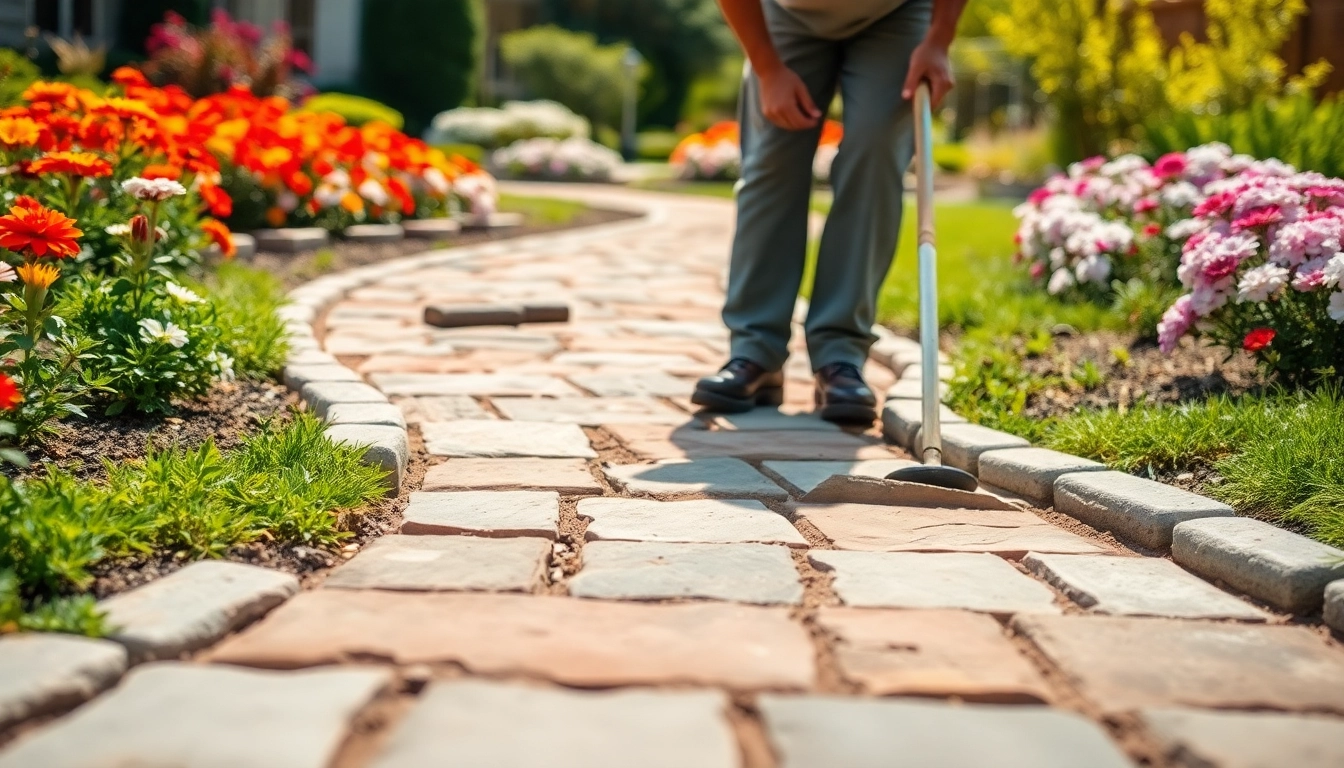
- Finish Touches: Fill gaps with sand, add borders if needed, and clean the work area.
Common Mistakes to Avoid During Installation
To ensure the success of your project, steer clear of these common mistakes:
- Improperly preparing the base can lead to settling and shifting.
- Neglecting to account for drainage can result in water pooling.
- Overlooking local regulations regarding hardscape installation may lead to fines or required adjustments.
Maintaining Hardscapes for Longevity
Routine Care and Maintenance Tips
Maintaining your hardscapes is crucial for their longevity. Here are some routine care tips:
- Regularly sweep to remove debris and dirt.
- Use a pressure washer to clean surfaces, removing stains and algae.
- Inspect joints and seams for wear and re-fill as necessary.
Seasonal Maintenance Guidelines
Different seasons require specific maintenance tasks:
- Spring: Clean up winter debris and inspect for damage.
- Summer: Ensure drains are clear and check for weed growth.
- Fall: Remove leaves and prepare for winter weather.
- Winter: Use sand instead of salt for traction to protect your hardscapes.
Repairing and Revitalizing Old Hardscapes
If your hardscapes start showing signs of age, you can restore them with a few strategies:
- Re-grout or replace damaged joints and fill cracks.
- Reseal surfaces to protect against moisture.
- Consider resurfacing worn areas with fresh materials.
FAQs
What are hardscapes?
Hardscapes refer to the non-plant elements in landscaping, such as patios, walkways, and retaining walls, providing structure and aesthetic appeal.
What materials are commonly used for hardscapes?
Common materials include concrete, stone, brick, pavers, and wood, each offering distinct looks and durability for outdoor projects.
How can I improve my hardscapes’ lifespan?
Regular maintenance, including cleaning, sealing, and prompt repairs, can significantly extend the lifespan of your hardscapes.
Can I DIY my hardscapes installation?
While it's possible to DIY, a thorough understanding of design and installation techniques is crucial to achieve professional results.
What are the benefits of hardscapes in landscaping?
Hardscapes enhance outdoor appeal, create functional areas, control erosion, and increase property value, making them essential for landscaping.