
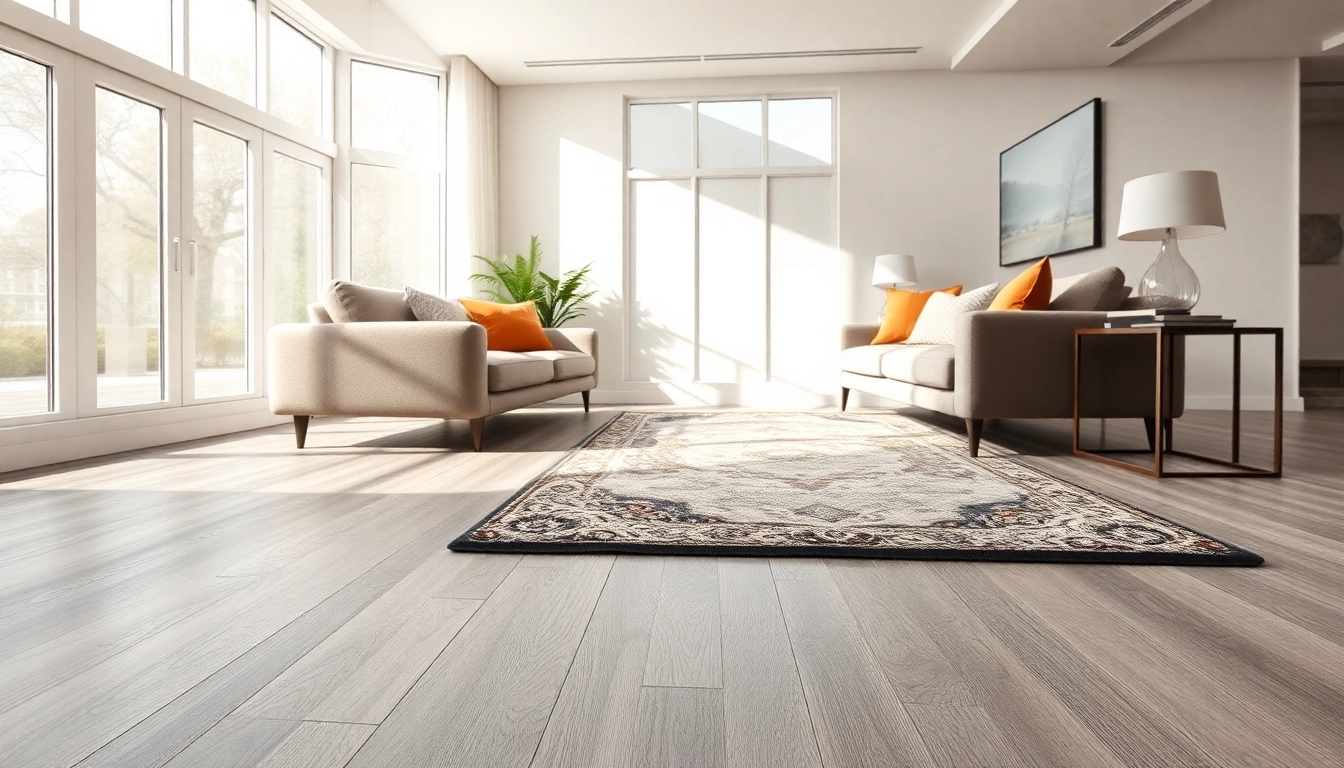
Introduction to Waterproof LVP Flooring
Choosing the right flooring for your home can significantly influence its functionality, aesthetics, and overall value. Among the myriad options available in the market, waterproof lvp flooring has rapidly emerged as a popular choice, particularly for areas prone to moisture. This flooring combines aesthetic appeal with remarkable practical benefits, making it an excellent investment for homeowners looking to enhance their living spaces. In this comprehensive guide, we will delve into what waterproof LVP flooring is, its key features, the benefits it presents, and everything you need to know about installation and costs.
What is Waterproof LVP Flooring?
Waterproof LVP (Luxury Vinyl Plank) flooring is a floor covering made from synthetic materials, designed to mimic the appearance of natural wood or stone. Unlike traditional vinyl flooring, LVP is specifically engineered to withstand moisture, making it suitable for a variety of environments, including kitchens, bathrooms, and basements. The construction of LVP typically involves several layers, including a protective top layer, a design layer that features high-definition imagery of wood or stone, a core layer that provides durability and stability, and a backing layer that adds comfort and sound insulation.
Key Features of Waterproof LVP Flooring
One of the primary reasons homeowners and designers are gravitating towards waterproof LVP flooring is its numerous features that enhance usability:
- Water Resistance: Waterproof LVP is impervious to moisture and spills, ensuring that water does not damage the flooring or cause mold growth.
- Durability: Made with robust materials, LVP can withstand heavy foot traffic without significant wear and tear.
- Variety in Design: Available in various colors, patterns, and textures, LVP can suit any design aesthetic, from rustic to modern.
- Comfort: The cushioned surface of LVP is less harsh on the feet compared to traditional tile or laminate, making it a comfortable surface for standing and walking.
- Ease of Installation: Most waterproof LVP products feature a click-lock system that allows for straightforward DIY installation without the need for glue or nails.
Comparing Waterproof LVP Flooring with Other Options
When considering flooring options, it’s essential to compare waterproof LVP flooring with alternatives such as hardwood, laminate, and ceramic tile.
In contrast to hardwood flooring, which is vulnerable to moisture and needs regular maintenance, waterproof LVP provides a similar aesthetic without the risk of warping or swelling. Laminate flooring, while cost-effective, lacks the water resistance of LVP, making it unsuitable for damp areas. Ceramic tiles, although durable, can be cold and uncomfortable underfoot and may require mortar and grout application, which adds to installation complexity. Waterproof LVP flooring strikes a balance by providing a beautiful, inviting look while being practical for various environments.
Benefits of Waterproof LVP Flooring
Waterproof LVP flooring offers a range of benefits that make it an attractive choice for many homeowners. These advantages encompass durability, easy maintenance, and immense versatility in design.
Durability and Longevity of Waterproof LVP Flooring
One core advantage of waterproof LVP flooring is its exceptional durability. Manufactured to withstand the rigors of daily life, LVP is resistant to scratches, dents, and stains. It can handle heavy foot traffic, making it suitable for high-traffic areas such as entryways, living rooms, and kitchens. Many high-quality LVP brands offer warranties for up to 25 years, reflecting the flooring’s longevity when properly maintained. Furthermore, the waterproof nature ensures that the flooring remains intact even in wet conditions, extending its lifespan significantly compared to traditional flooring options.
Easy Maintenance and Cleaning
Cleaning and maintaining waterproof LVP flooring is a breeze. Unlike carpets that require regular vacuuming and deep cleaning, LVP needs only occasional sweeping or vacuuming to remove dirt and debris. For spills, a damp mop with a mild cleaning solution is usually enough to keep the surface looking fresh. This minimal need for maintenance not only saves time but also contributes to better indoor air quality by reducing allergens from dust and pet hair.
Design Versatility of Waterproof LVP Flooring
The design possibilities with waterproof LVP flooring are virtually endless. With a vast selection of colors, finishes, and styles, homeowners have the flexibility to achieve their desired aesthetic. Whether aiming for a sleek modern look with light gray tones or a rustic appeal with wood-like textures, waterproof LVP can accommodate any vision. Furthermore, the plank format allows for various installation patterns, such as herringbone, diagonal, or traditional straight lay, giving you complete control over the final appearance.
Installation Process of Waterproof LVP Flooring
Installing waterproof LVP flooring is a process that can often be done by homeowners with minimal experience. The steps are straightforward, but proper preparation and execution are key to achieving a professional-looking result.
Preparing Your Space for Installation
Before installing waterproof LVP flooring, it’s crucial to prepare your space adequately. Start by ensuring the subfloor is clean, dry, and level. Remove any existing flooring and repair any imperfections in the subfloor, such as cracks or holes. After preparation, let the new LVP acclimate in the room where it will be installed for at least 48 hours to avoid expansion or contraction post-installation due to temperature changes.
Step-by-Step Guide to Installing Waterproof LVP Flooring
- Gather Tools and Materials: You will need a utility knife, a straight edge, a tapping block, a rubber mallet, and spacers for expansion gaps.
- Start Laying Planks: Begin in one corner of the room, laying the first plank with the tongue side facing the wall. Use spacers to maintain a ¼ inch gap for expansion.
- Connect the Planks: As you lay subsequent planks, angle the tongue into the groove of the previous plank, then lay it down flat. Tap with a rubber mallet to ensure a snug fit.
- Continue Laying Planks: Follow this method for the entire room. For the last row, you may need to rip the planks to width using a utility knife.
- Install Transition Pieces: Once all planks are in place, install transition strips where the flooring meets different surfaces, like carpets or tile.
Common Mistakes to Avoid During Installation
Even seasoned DIYers can encounter challenges during the installation of waterproof LVP flooring. Here are common pitfalls to avoid:
- Ignoring Subfloor Preparation: Properly prepare the subfloor to prevent issues later, such as uneven surfaces or moisture problems.
- Neglecting Expansion Gaps: Always leave adequate space around the perimeter of the room to allow for natural expansion and contraction, preventing buckling.
- Inconsistent Plank Orientation: Make sure to maintain a consistent direction with plank installation for a seamless look.
Cost Considerations for Waterproof LVP Flooring
When weighing the investment in waterproof LVP flooring, several cost considerations must be taken into account, including the material cost, potential installation fees, and long-term value.
Pricing Breakdown of Waterproof LVP Flooring
The cost of waterproof LVP flooring can vary significantly based on factors like brand, design, thickness, and additional features. On average, homeowners can expect to pay between $2 and $5 per square foot for materials. Higher-end options may reach $7 or more per square foot. Remember to factor in additional costs such as underlayment, tools, and potential professional installation if you’re not executing the project yourself.
Long-Term Value of Waterproof LVP Flooring
While the initial investment in waterproof LVP flooring may seem high, the long-term benefits and cost savings are substantial. The durability of LVP reduces the need for frequent replacements or repairs, saving homeowners money long-term. Additionally, with its low maintenance and cleaning requirements, LVP allows homeowners to spend less on upkeep. Many people find that the elegant appeal of LVP can also enhance a property’s value, making it a wise investment for future resale.
Financing Options for Your Flooring Project
If the upfront cost of waterproof LVP flooring is concerning, many retailers offer flexible financing options that can ease the burden. Look for stores that provide interest-free financing or payment plans, allowing you to spread the cost over a specified period. Additionally, researching local grants or home improvement loans may also provide financial support for your flooring upgrade.
FAQs About Waterproof LVP Flooring
Is waterproof LVP flooring suitable for bathrooms?
Yes, waterproof LVP flooring is an excellent choice for bathrooms due to its resistance to moisture and spills, ensuring the flooring remains in top condition despite high humidity.
How long does waterproof LVP flooring last?
Depending on usage and maintenance, waterproof LVP flooring can last anywhere from 10 to 25 years, making it a long-term investment for homeowners.
Can waterproof LVP flooring be installed outdoors?
No, while waterproof LVP flooring is designed for interior spaces, it is not recommended for outdoor use as it can be affected by extreme temperatures and direct sunlight.
What maintenance is needed for waterproof LVP flooring?
Maintenance is minimal! Regular sweeping or vacuuming and occasional mopping with a mild cleaner are typically all that’s needed to keep it looking great.
Does waterproof LVP flooring require underlayment?
Generally, waterproof LVP flooring does not require underlayment, but using it can enhance comfort and sound insulation, depending on the flooring product and the subfloor.