Understanding the Concept of Education
Definition and Importance of Education
Education is the systematic process of gaining knowledge, skills, values, and attitudes through various forms of learning. It serves as the foundation of personal and societal development, allowing individuals to acquire the necessary tools to navigate the complexities of life. The significance of Education extends beyond mere academic prowess; it encompasses moral development, critical thinking, and the fostering of social responsibility. This multifaceted nature of education underpins the evolution of societies and cultures, shaping the trajectory of future generations.
Historical Evolution of Education Models
The concept of education has undergone dramatic transformations over millennia. The earliest forms of education were informal, with knowledge passed down orally from one generation to the next. As societies transitioned from nomadic to agrarian lifestyles, formal education began to emerge, grounded in religious and philosophical teachings, as seen in ancient civilizations such as Egypt, Greece, and China. The establishment of the first universities in medieval Europe further solidified the role of formal education as an organized institution. In contemporary times, education has evolved to embrace various pedagogical methods, integrating technology and focusing on diverse learning styles and holistic development.
Types of Education: Formal vs. Informal
Education can be classified into two primary categories: formal and informal. Formal education occurs in structured environments, such as schools and universities, following a prescribed curriculum and typically leading to recognized certifications. In contrast, informal education encompasses learning that occurs outside traditional academic settings, including life experiences, social interactions, and self-directed study. Both types of education are essential, as they complement each other, enabling individuals to develop a well-rounded understanding of the world.
Key Components of Effective Education Strategies
Curriculum Development and Implementation
The effectiveness of an education system largely hinges on its curriculum. A well-developed curriculum should be relevant, engaging, and adaptable to the needs of diverse learners. It is essential to involve educators, subject matter experts, and community stakeholders in the curriculum development process to ensure it reflects contemporary societal needs and values. Implementation involves not only delivering the curriculum but also continuous evaluation and modification based on feedback and performance metrics.
Assessment Techniques and Learning Outcomes
Assessment is a critical component of the educational process. It provides insights into student learning, helps identify areas for improvement, and measures the effectiveness of teaching strategies. Diverse assessment techniques, such as formative assessments, summative assessments, and portfolio assessments, ensure that a comprehensive understanding of student progress is obtained. Effective assessment practices should align with learning outcomes, providing clear criteria for student success and areas needing enhancement.
Incorporating Technology in Education
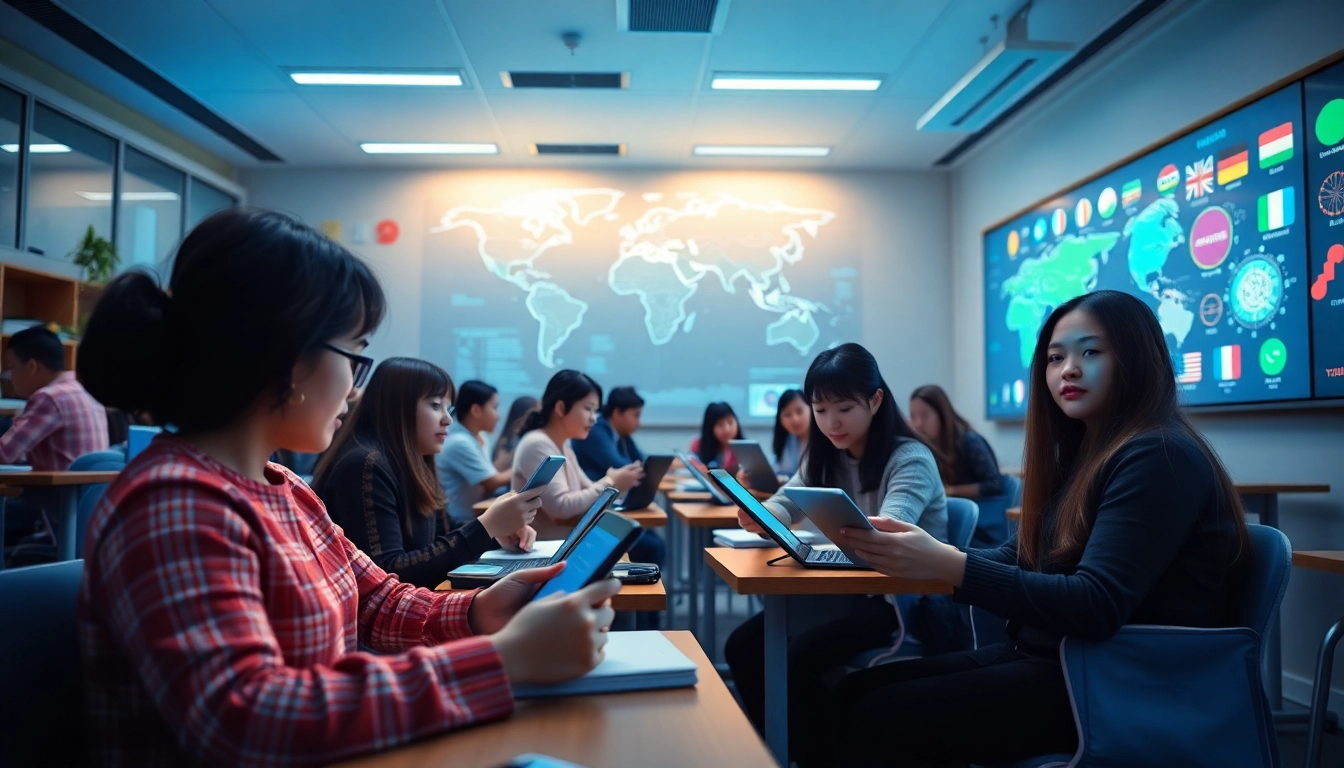
Technology has transformed the landscape of education, introducing innovative tools and methods that enhance learning experiences. From online learning platforms to interactive educational software, technology facilitates personalized learning, enables access to a wealth of information, and promotes collaborative learning environments. Educators must be adept at integrating technology into their teaching practices, ensuring that it is used effectively to complement traditional teaching methods and address diverse learning needs.
Diverse Learning Environments: Adapting to Student Needs
Strategies for Inclusive Education
Inclusive education recognizes the diverse needs of learners, promoting access and participation for individuals from various backgrounds and abilities. Strategies for fostering inclusive environments include differentiated instruction, equitable resource allocation, and collaborative teaching practices. Educators must also be trained to recognize and accommodate individual learning differences, fostering a culture of respect and support within the classroom.
Catering to Different Learning Styles
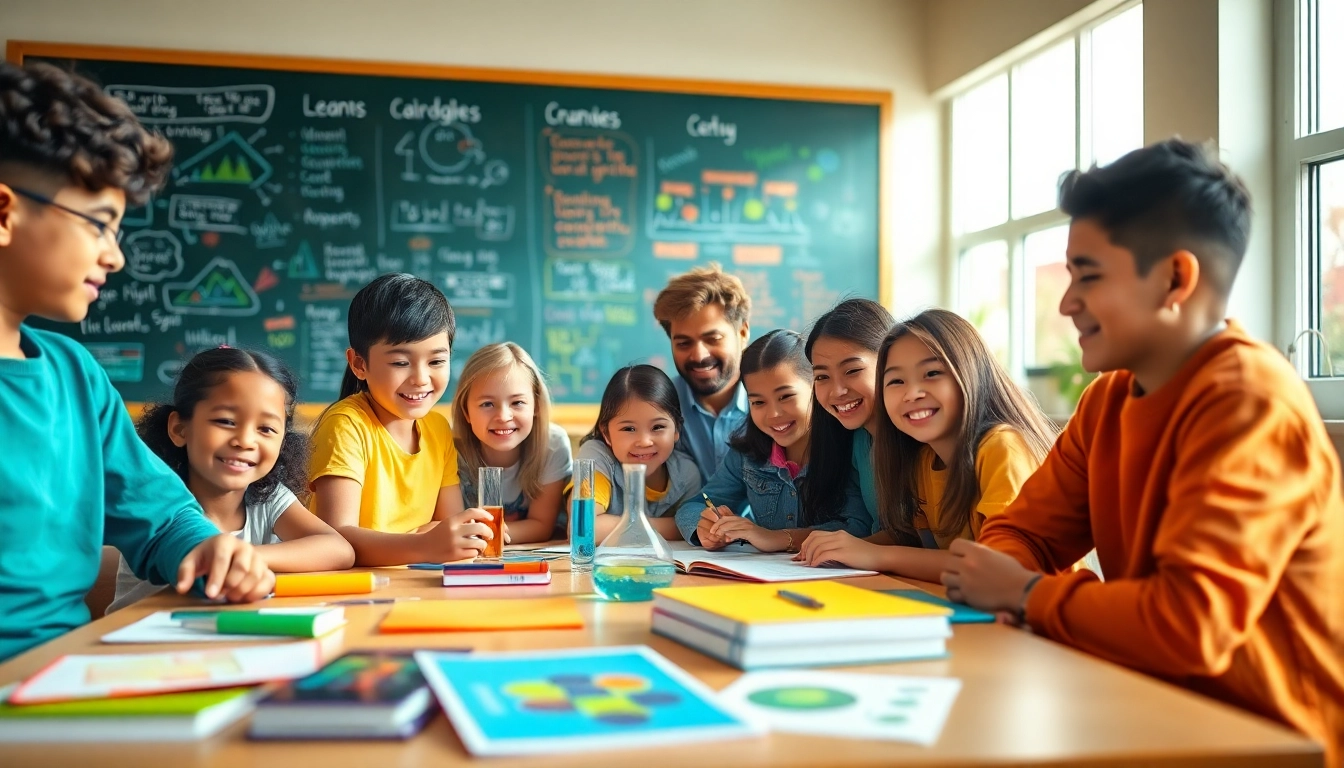
Understanding that students possess distinct learning styles is critical in designing effective instructional strategies. Some learners thrive in visual environments, while others prefer auditory or kinesthetic approaches. By employing a variety of teaching methods that appeal to different styles, educators can enhance student engagement and comprehension, improving overall learning outcomes. Techniques such as project-based learning, experiential learning, and hands-on activities can cater to diverse preferences and create inclusive classrooms.
Building Support Systems for Every Learner
Support systems play a crucial role in ensuring that all students can navigate their educational journeys successfully. These may include tutoring programs, mentorship initiatives, and counseling services aimed at providing additional assistance to those who may struggle academically or emotionally. Schools should cultivate a network of support that fosters a sense of belonging and encourages collaboration among peers, educators, and families, thereby enhancing student well-being and learning experiences.
Challenges in Modern Education Systems
Addressing Educational Inequality
Educational inequality remains one of the foremost challenges facing modern education systems. Factors such as socioeconomic status, geographic location, and access to resources significantly impact students' educational opportunities. To combat these disparities, policymakers and educators must prioritize equitable funding, develop targeted interventions for underserved communities, and implement inclusive policies that promote access to high-quality education for all students.
Impact of Socioeconomic Factors on Education
The link between socioeconomic status and educational attainment is well-documented. Students from low-income families often face barriers—including limited access to educational resources, unstable living conditions, and inadequate support systems—that hinder their academic success. Addressing these factors requires a multifaceted approach that combines educational reforms with social support services that target the underlying causes of poverty and disadvantage.
Navigating the Digital Divide in Education
The digital divide refers to the gap between individuals with access to technology and those without. In an increasingly digital world, this divide can lead to significant educational disadvantages for students lacking access to devices and high-speed internet. To bridge this gap, educational institutions must collaborate with community stakeholders to provide the necessary technology and infrastructure. Implementing initiatives that prioritize equitable access to technology can ensure that every student has the tools needed to succeed in a modern educational environment.
Measuring Success in Education
Key Performance Indicators for Education
Measuring success in education involves the use of key performance indicators (KPIs) that provide quantitative and qualitative insights into educational effectiveness. Common KPIs include student achievement rates, graduation rates, and standardized test scores. However, a holistic assessment of education should also consider factors such as student engagement, social-emotional well-being, and post-graduation outcomes. By employing a comprehensive framework for evaluation, educators can better understand the overall impact of their practices.
The Role of Feedback in Continuous Improvement
Feedback is an essential component of the educational process, influencing instructional practices and student learning. Continuous feedback—both for students and educators—facilitates ongoing improvement and adaptation to challenges. Implementing regular feedback mechanisms, such as student surveys, peer reviews, and self-assessments, encourages an open dialogue around learning outcomes and fosters a culture of collaboration and growth within educational environments.
Future Trends in Education Assessment Methods
As education continues to evolve, so too do assessment methods. Future trends indicate a shift towards more personalized and continuous assessment techniques, leveraging technology for real-time feedback and analysis. Competency-based assessments that evaluate students based on mastered skills rather than time spent in the classroom are gaining traction. Additionally, the integration of data analytics in assessment processes allows educators to tailor instructional strategies to meet the unique needs of diverse learners, ultimately improving educational outcomes.