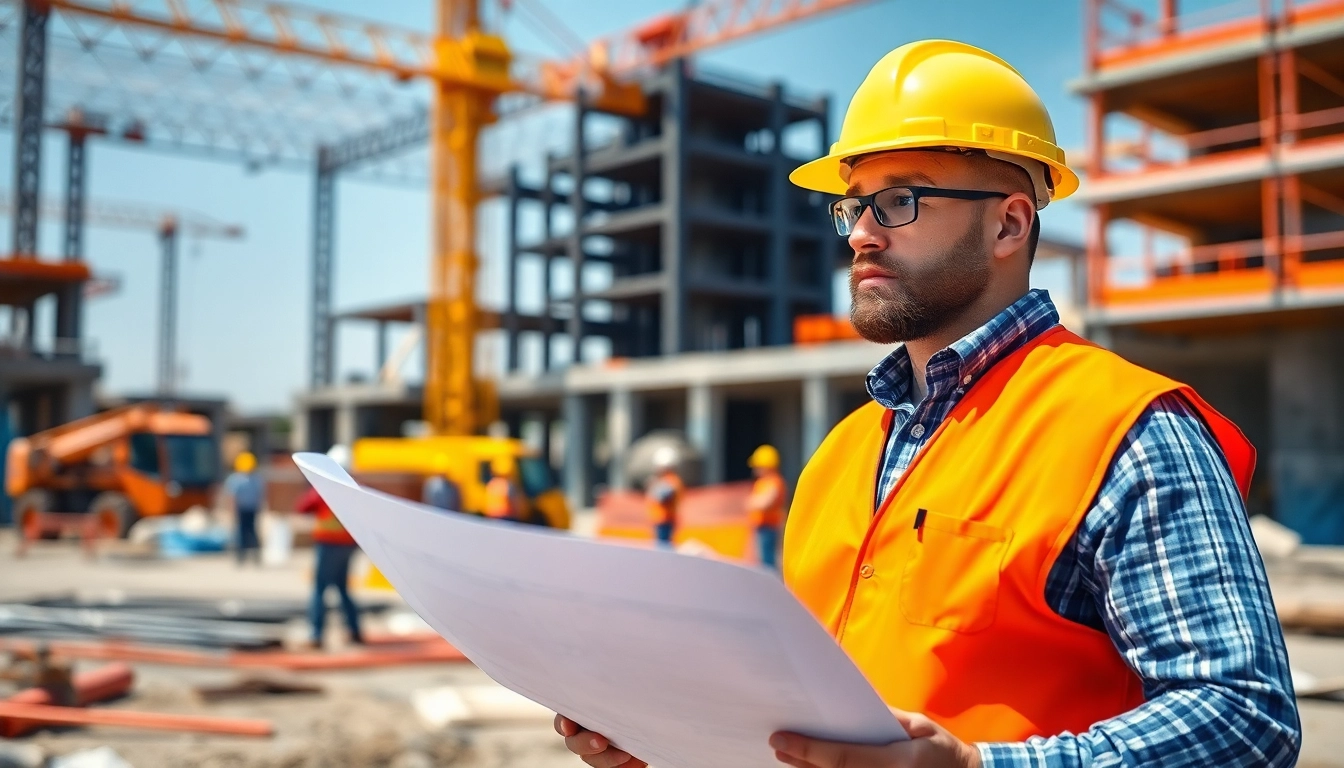
Understanding the Role of a New Jersey Construction Manager
The role of a New Jersey Construction Manager is pivotal in promoting the successful completion of construction projects. Acting as the linchpin between the various stakeholders involved, construction managers ensure that everything from planning to execution operates smoothly. This involves a myriad of responsibilities influenced by the ever-evolving dynamics of the construction sector.
Job Responsibilities and Daily Tasks
A day in the life of a construction manager in New Jersey can be both demanding and rewarding. Responsibilities may vary significantly based on the project type and scope. Typical tasks include:
- Project Planning: Construction managers are responsible for developing project plans that outline timelines, costs, and scope. They collaborate with architects, engineers, and contractors to provide comprehensive proposals.
- Resource Management: Effectively managing resources—both human and material—is crucial. This includes assigning tasks to workers, procuring materials on schedule, and ensuring that equipment is available and operational.
- Quality Control: Ensuring that construction processes adhere to safety protocols and quality standards is a fundamental aspect of the job. Managers regularly monitor work on-site to maintain these standards.
- Budgeting: Keeping track of finances is essential. Construction managers develop and oversee budgets, ensuring that projects remain financially viable by minimizing overruns.
- Risk Management: Identifying worst-case scenarios and establishing contingency plans is vital. Managers must foresee potential issues that could arise and put measures in place to mitigate them effectively.
- Client Communication: Maintaining a clear line of communication with clients, stakeholders, and team members is paramount. Regular updates on progress and addressing any concerns can foster a positive working relationship.
Essential Skills for Successful Management
To excel as a New Jersey construction manager, a unique combination of skills is essential:
- Leadership: The ability to lead diverse teams and foster a collaborative environment is necessary for success.
- Technical Knowledge: Familiarity with construction methodologies, building codes, and regulations can significantly enhance decision-making abilities.
- Problem-Solving: Construction projects are often fraught with unexpected challenges; managers must exhibit strong problem-solving skills to navigate these effectively.
- Time Management: The ability to prioritize tasks and manage time efficiently is crucial to ensure all aspects of a project proceed on schedule.
- Negotiation Skills: Construction managers frequently negotiate contracts, costs, and timelines. Their ability to work collaboratively with different stakeholders can lead to favorable outcomes.
Importance of Effective Communication
Effective communication is arguably one of the most important skills a construction manager must possess. With various parties involved in construction projects, including clients, subcontractors, and suppliers, maintaining clarity in communication can make a significant difference in project outcomes.
Miscommunication can lead to costly errors, delays, and strained relationships. As such, construction managers should prioritize open channels of communication, encouraging team members to voice concerns and providing regular updates to stakeholders. This creates an environment of trust and transparency, essential for the successful completion of a project.
Key Challenges Faced by New Jersey Construction Managers
While the role of a construction manager can be rewarding, it is not without its challenges. Here are some of the most significant hurdles they encounter:
Dealing with Budget Constraints
One of the top challenges facing construction managers is managing tight budgets. Construction costs can fluctuate due to numerous factors, including materials prices and labor availability. To overcome these constraints, managers must continually assess project expenses, identify areas for cost savings, and ensure proper financial forecasting throughout the construction process.
Managing Team Dynamics on-site
Construction sites can often be high-pressure environments, where team dynamics are frequently tested. Conflicts can arise from differing opinions, work styles, and stress levels. Effective conflict resolution strategies, fostering teamwork, and promoting a positive workplace culture are essential in addressing these challenges. Training might also be necessary to enhance interpersonal skills among team members.
Adapting to Regulatory Changes
Local laws and regulations concerning construction in New Jersey can change, impacting how projects are planned and executed. Staying informed about new mandates is crucial for construction managers, as failing to comply can result in costly penalties and project delays. Continuous education and attendance at industry workshops contribute to a more robust understanding of evolving regulatory landscapes.
Best Practices for New Jersey Construction Managers
Embracing best practices can significantly enhance the performance of a New Jersey construction manager. Here are essential strategies to consider:
Implementing Safety Protocols
Safety in construction is non-negotiable and should be at the forefront of every project manager’s agenda. Implementing robust safety protocols can protect workers and reduce the likelihood of accidents on-site. Regular safety training, provision of necessary personal protective equipment (PPE), and adherence to OSHA guidelines are indispensable strategies in establishing a safe working environment.
Utilizing Project Management Software
The integration of technology in construction management can lead to remarkable efficiencies. Utilizing project management software enables managers to streamline tasks, automate time tracking, maintain schedules, and facilitate communication. Tools that allow for real-time collaboration can enhance productivity and project oversight significantly.
Fostering Collaboration Across Teams
Collaboration fosters innovation and efficiency on construction sites. Encouraging an environment where all team members—from architects to engineers, and subcontractors—work cooperatively can lead to improved project outcomes. Different perspectives can spark creative solutions to challenges and ensure all voices are heard in the process.
Case Studies of Successful Construction Management in New Jersey
Examining real-life case studies provides valuable insights into successful construction management. Here we explore notable projects and the lessons derived from their execution:
Notable Projects and Their Impact
Several significant construction projects in New Jersey have set precedents for excellence in management. The collaboration between public and private sectors often underscores the impact a well-managed project can have on community growth and infrastructure development.
For instance, the development of a new high-rise building in Newark showcased how effective project management can lead to both economic and civic advantages. The project not only generated jobs but also revitalized a central area of the city. The careful coordination of all stakeholders played a central role in maintaining timelines and budgets.
Lessons Learned from Challenges
Every construction project offers learning opportunities. Successful managers analyze the challenges encountered during a project to develop strategies that mitigate similar issues in the future. For example, a bridge renovation project faced significant delays due to unforeseen regulatory hurdles. Following this experience, the team adopted a more proactive approach in engaging regulatory bodies during the preliminary stages of new projects. This adjustment resulted in smoother operations in subsequent endeavors.
Innovative Approaches in Recent Projects
Innovation is a hallmark of successful construction management. In New Jersey, construction managers increasingly embrace sustainable practices and advanced technologies to enhance project outcomes. The integration of green building techniques not only reduces environmental impact but can also attract eco-conscious clients and stakeholders.
The incorporation of prefabricated components in certain projects has shown to expedite construction timelines and minimize waste. This innovative approach not only streamlines structure but promotes efficiency, showcasing the evolving landscape of construction in the state.
The Future of Construction Management in New Jersey
Looking ahead, construction management is poised for growth in New Jersey, characterized by exciting trends and evolving methodologies. The following sections discuss anticipated developments:
Emerging Trends and Technologies
Virtual reality (VR) and augmented reality (AR) are beginning to take hold in construction planning and client engagement. These technologies offer immersive experiences that can illuminate design and construction processes, allowing stakeholders to visualize projects before ground is even broken.
Additionally, the use of Building Information Modeling (BIM) is revolutionizing how construction projects are planned and executed, ensuring precision and reducing errors before they occur on-site. With these tools, managers can create digital representations of physical structures, making collaboration more streamlined and informed.
Career Opportunities for Construction Managers
As the demand for skilled construction managers in New Jersey continues to rise, budding professionals can expect a wealth of opportunities. The projected growth in infrastructure programs and private developments indicates a promising future for those entering the field. Networking within industry organizations and pursuing certifications can give job seekers a competitive edge in this evolving landscape.
Networking and Professional Development
Networking plays a crucial role in career advancement within the construction sector. Engaging with industry professionals through seminars, workshops, and conferences can provide valuable insights and connections. Continuous professional development through courses related to new technologies, management strategies, and regulatory knowledge can further enhance a manager’s effectiveness.
In conclusion, the role of a New Jersey construction manager is multifaceted, requiring a blend of technical knowledge, leadership skills, and effective communication. By embracing best practices and innovative strategies, construction managers can not only navigate the complexities of their job but also pave the way for successful project outcomes and career growth. The future is bright for those ready to embrace the challenges and opportunities that lie ahead in this ever-evolving field.