Understanding Vapor Barrier Installation
What is a Vapor Barrier?
A vapor barrier is a material designed to prevent moisture from passing through walls, ceilings, and floors. It acts as a protective shield against water vapor, ensuring the integrity of structures, particularly in crawl spaces and basements. Typically made from polyethylene plastic, vapor barriers are essential in controlling humidity levels and protecting the property from mold, rot, and structural damage.
Importance of Vapor Barrier Installation
Proper Vapor Barrier Installation is crucial for maintaining a healthy indoor environment. High humidity levels and moisture can lead to various problems, including mold growth, pest infestations, and damage to insulation and building materials. By installing a vapor barrier, homeowners can significantly reduce these risks, enhance energy efficiency, and prolong the lifespan of their property. Additionally, many building codes require vapor barriers in certain climates, emphasizing their importance in construction standards.
Common Misconceptions
Many misconceptions surround vapor barriers, leading to inadequate installations or neglect. One common myth is that vapor barriers are unnecessary in warm climates. However, humidity can still pose problems even in such regions, making a vapor barrier relevant. Another misconception is that any plastic sheeting can serve as a vapor barrier. In reality, effective vapor barriers must have specific properties to be durable and functional. Understanding these nuances is key to a successful installation.
Preparation for Vapor Barrier Installation
Tools and Materials Needed
Before diving into the installation, it's essential to gather all necessary tools and materials. Here’s a list of what you’ll need:
- Vapor barrier material (preferably 6-mil polyethylene)
- Utility knife or scissors
- Measuring tape
- Stapler or adhesive for securing
- Duct tape for sealing
- Paintbrush or roller if applying adhesive
- Work gloves and knee pads for comfort
Assessing Your Crawl Space Condition
Before installation, it's crucial to assess the condition of your crawl space. Look for signs of moisture, mold, or any structural damage. Evaluate ventilation systems to ensure they're functioning correctly. It's also wise to check for pest infestations, as these can compromise the effectiveness of your vapor barrier. If you notice significant issues, such as standing water or severe mold growth, consider consulting a professional prior to installation.
Measuring and Planning Installation
Measuring your crawl space accurately is vital. Begin by measuring the length and width of the area where you will install the vapor barrier. It's advisable to add a few extra feet to your measurements to account for overlaps and secure fastening around corners. Create a layout plan to visualize how the barrier will be placed. This reduces errors during installation and helps ensure full coverage in your crawl space.
Step-by-Step Guide to Vapor Barrier Installation
Preparing the Area
With your plan and materials ready, it’s time to prepare the crawl space. Clear the area of debris, such as rocks, dirt, or old insulation, that may hinder installation. Ensure any existing moisture issues are addressed. If water pooling exists or leaks are detected, they must be resolved first. Additionally, it’s beneficial to minimize airflow in the area, as this can affect moisture levels during installation.
Installing the Vapor Barrier
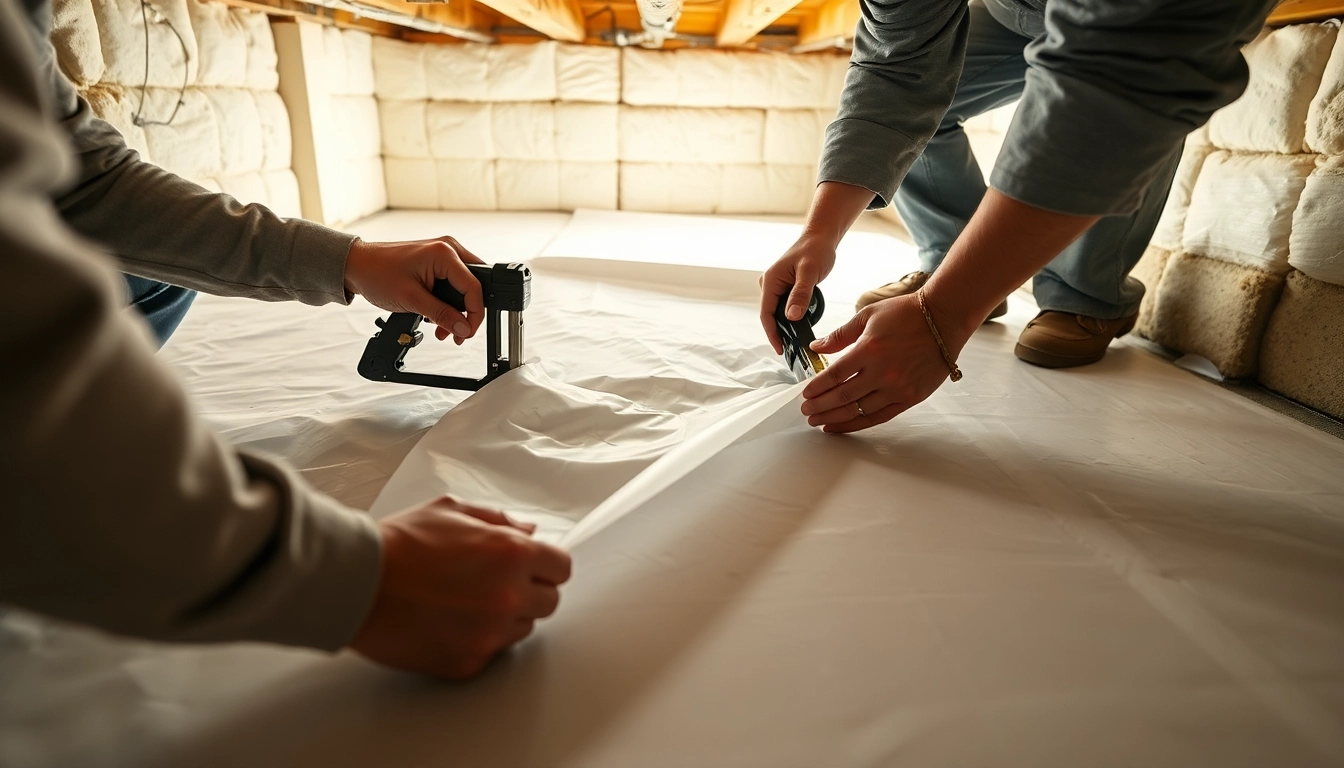
When you’re ready to install, start by unrolling the vapor barrier material in your crawl space. Lay it flat, allowing it to extend across the entire area with the overlaps facing the walls. Use the utility knife to cut the material if necessary. Ensure there are no tears or holes, as these can negate the barrier’s effectiveness. For optimal performance, aim for a continuous barrier without gaps or seams.
Sealing and Insulating
After placing the vapor barrier, secure it to the ground using duct tape or staples, ensuring it adheres well. For maximum effectiveness, it's crucial to seal all seams and any penetrations with high-quality duct tape. Additionally, consider adding insulation over the vapor barrier for extra protection against temperature fluctuations and to improve energy efficiency. This combination will offer robust protection from moisture and enhance the comfort of your living space.
Maintenance and Inspection After Installation
Regular Check-Up Routine
After completing the installation, it’s essential to establish a regular maintenance routine. Check your crawl space at least once a year for any signs of damage to the vapor barrier. Pay close attention to areas where rodents or pests may enter, as they can create tears or breaches. Look for signs of mold or mildew and ensure there are no moisture leaks.
Signs of Wear and Tear
Watch for several indicators that your vapor barrier may be failing. These include visible tears or rips, condensation buildup on surfaces, or an increase in humidity levels in adjoining spaces. If you notice an unusual increase in dust or musty odors, this could also indicate issues with the vapor barrier's integrity. Early detection of these problems can save costs down the line by preventing major damage.
Addressing Potential Problems
If you uncover any problems during your inspection, such as significant tears or mold growth, take immediate action. Depending on the severity of the damage, you may need to patch small areas with duct tape or replace entire sections of the barrier. If mold is present, it’s critical to address the source of moisture before making repairs, as simply replacing the barrier without resolving underlying issues can lead to repeated problems.
Frequently Asked Questions About Vapor Barrier Installation
How long does a vapor barrier last?
A vapor barrier can last for many years, often over a decade, if installed correctly. Its longevity depends on material quality, environmental conditions, and maintenance.
Can I install a vapor barrier myself?
Yes, many homeowners can successfully install a vapor barrier themselves with proper preparation and guidance. However, larger areas or complicated spaces may benefit from professional assistance.
What materials are best for vapor barriers?
The best materials for vapor barriers are at least 6-mil polyethylene sheeting or thicker materials specifically designed for such applications, as they provide excellent moisture resistance.
Is vapor barrier installation necessary in every home?
Not necessarily. Whether a vapor barrier is needed depends on your region’s climate and specific conditions of your crawl space or basement. Areas with high humidity typically benefit the most.
How does humidity affect vapor barrier performance?
High humidity levels can lead to condensation forming on the vapor barrier, which can compromise its effectiveness. Ensuring proper installation and maintenance can help mitigate these issues.