
Choosing the Right Foam for Rifle Case: Essential Tips and Guidelines
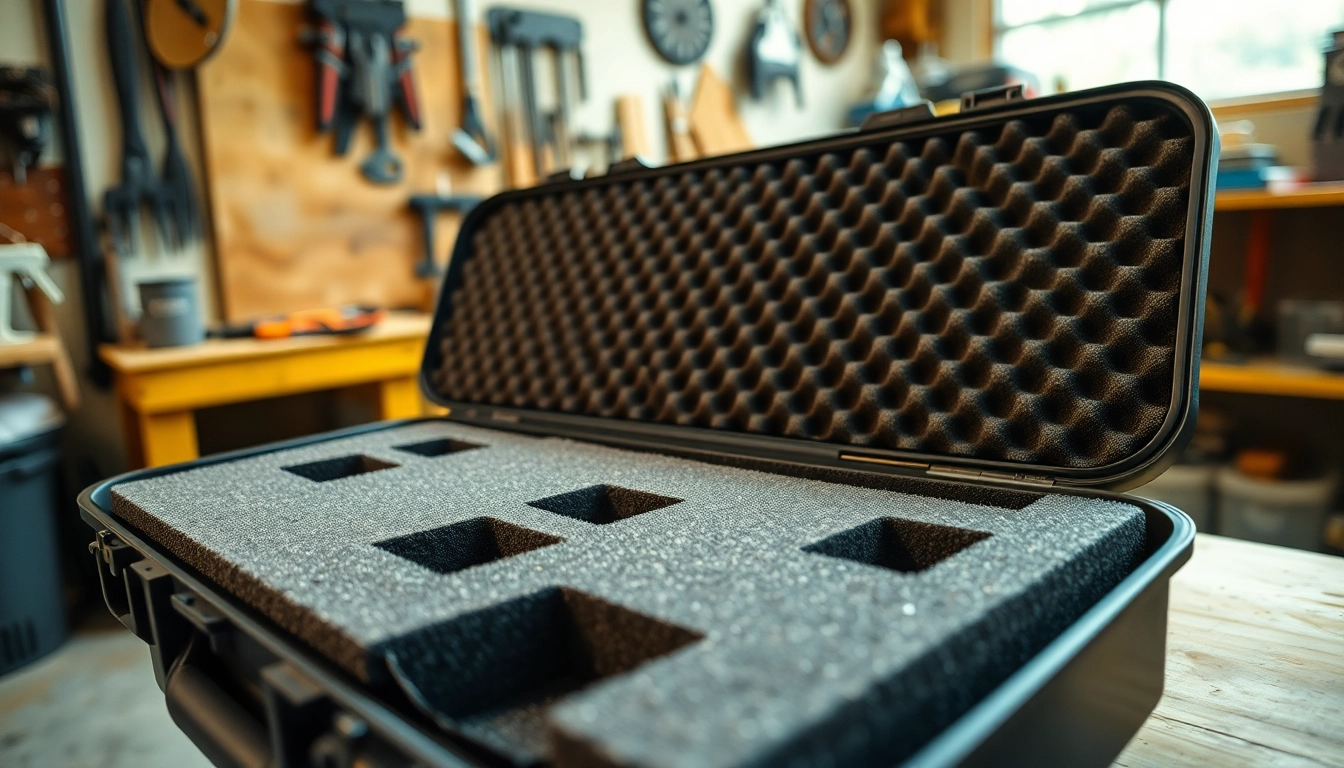
Understanding Foam for Rifle Case
When owning a rifle, it is imperative to consider its storage and protection. One of the most effective solutions available is using foam within a rifle case. The right foam for rifle case ensures your firearm remains protected from impact, moisture, and dust. Let’s dive deeper into the significance and characteristics of foam for rifle cases.
What is Foam for Rifle Case?
Foam for rifle cases is a type of cushioning material specifically designed to absorb shocks and protect firearms during transport and storage. These foams come in various densities, thicknesses, and types, making them suitable for an array of rifle models and accessories. Typically, rifle case foams can be categorized into pre-cut or custom-cut options tailored to secure individual firearms perfectly.
Types of Foam Materials
There are several foam materials used in rifle cases, and understanding their properties can help in making an informed decision:
- Polyethylene Foam: This is a closed-cell foam known for its lightweight and durable properties. It is resistant to moisture, chemicals, and UV light, making it an excellent choice for prolonged use.
- Polyurethane Foam: This type of foam offers good cushioning and is widely used in gun cases. It’s softer than polyethylene but tends to absorb more moisture.
- Egg Crate Foam: Characterized by its wavy patterns, egg crate foam provides effective shock absorption and is often used in combination with other foam types for enhanced protection.
- Memory Foam: Known for its ability to conform to the shape of the object, memory foam provides excellent cushioning. It’s not as commonly used but can offer unique advantages in specific applications.
Advantages of Using Foam
Utilizing foam in rifle cases offers numerous advantages:
- Impact Protection: Foam absorbs shocks and impacts, minimizing the risk of damage to your rifle.
- Customization: Foam can be customized to fit your specific rifle and accessories, ensuring a snug fit and additional protection.
- Lightweight: Most foam materials are lightweight, making your rifle case easy to handle and transport.
- Moisture Resistance: Many foams are designed to resist moisture, helping prevent rust and deterioration of your firearm.
Determining the Best Foam for Your Rifle Case
Choosing the right foam for your rifle case involves several considerations to ensure maximum protection and functionality. Understanding the specifics of your rifle and your needs plays a critical role in selection.
Measuring Your Rifle and Accessories
The first step to selecting the appropriate foam is measuring your rifle and any accessories you intend to store. Take precise measurements of the length, width, and height of your rifle. Don’t forget to include additional components such as scopes, magazines, and bipods in your measurements. This detailed approach will aid in selecting foam that accurately fits in your rifle case, reducing unwanted movement during transport.
Considering Foam Density
Foam density is crucial in determining the protection level your rifle will receive. Higher density foam generally offers better impact resistance but may be heavier. Conversely, lower density foam is lighter but may not provide the same level of protection. Assess your needs and consider the type of transport and storage your rifle will encounter to choose a foam density that aligns with your requirements.
Assessing Durability and Longevity
Durability is essential for protecting your firearm over time. Look for foams that resist wear, tear, and environmental factors. Testing foam longevity often involves checking material specifications and user reviews. For instance, polyurethane foam may degrade faster compared to polyethylene foam in harsh conditions. Selecting a material known for its robustness will ensure your rifle remains safe for years.
Customizing Foam Inserts
Customization of foam inserts allows a tailored fit for your rifle, providing added security. There are various methods and tools available for creating customized foam inserts that fit your individual needs perfectly.
DIY Techniques for Foam Cutting
Cutting foam to fit your rifle case can be done using various DIY methods. One popular technique is the “hot wire” method, where you use a heated wire to make precise cuts. Alternatively, using a utility knife and a straight edge can achieve satisfactory results. Be sure to cut slowly and steadily to ensure clean edges, minimizing the risk of damaging the foam.
Tools Needed for Customization
When customizing foam, having the right tools can make a significant difference:
- Utility Knife or Foam Cutter
- Measuring Tape
- Straight Edge or Ruler
- Marker or Chalk for Marking Cut Lines
Design Tips for Efficient Use of Space
Maximizing space in your rifle case involves strategic design. Consider the layout of your rifle and accessories, ensuring they fit snugly without excess movement. Use foam sheets to create partitions between various components, adding additional support and protection. Be mindful of weight distribution to ensure the rifle case remains balanced when carried.
Maintenance and Care for Foam in Rifle Cases
Proper maintenance of foam is essential for extending its lifespan and protecting your rifle. Understanding the cleaning, storage, and general care can help keep your rifle and its case in optimal condition.
Cleaning Methods for Foam Materials
Cleaning foam can be done through gentle methods such as spot cleaning with a damp cloth and mild soap. Avoid soaking the foam, as it may lead to degradation and odor. For deep cleaning, consider using a vacuum cleaner with a brush attachment to remove dust and debris without damaging the foam’s structure.
Preventing Mold and Mildew
Mold and mildew can develop in damp conditions, posing risks to your firearm. To prevent this, store your rifle case and foam in a cool, dry location, avoiding areas with high humidity. Additionally, consider using desiccants or moisture-absorbing packets within your case to minimize moisture retention.
Storage Tips for Longevity
When storing your rifle with foam, make sure to keep the case upright to avoid unnecessary compression of the foam. If possible, store the case in a protective outer layer to shield it from dust and environmental elements. Regularly inspect the foam for any signs of wear or damage, allowing for early intervention if necessary.
FAQs about Foam for Rifle Case
What is the best type of foam for rifle protection?
Polyethylene foam is often considered the best option due to its durability and moisture resistance, providing excellent shock absorption.
How do I cut foam to fit my rifle case?
You can cut foam using a utility knife, straight edge, or a hot wire cutter. Take accurate measurements before cutting to ensure a snug fit.
Can I wash my rifle case foam?
It is best to avoid soaking the foam. Instead, use spot cleaning or a light vacuum to remove dust and debris without damaging the material.
What should I consider before buying foam inserts?
Consider your rifle’s dimensions, the foam density for protection, and the material’s durability to ensure it meets your needs.
How long will my foam last in a rifle case?
The lifespan of foam can vary but, with proper care, high-quality foam can last many years without significant degradation.