Effective and Affordable Bed Bug Treatment Solutions for Your Home
Understanding Bed Bugs
What Are Bed Bugs?
Bed bugs are small, reddish-brown insects belonging to the Cimex lectularius species. They primarily feed on human blood and are known for their nocturnal habits, making them a challenge to detect until an infestation has occurred. These pests are approximately 4 to 5 mm in length, resembling apple seeds, and can easily hide in various crevices and cracks in furniture, bed frames, and flooring.
Signs of Infestation
Identifying a bed bug infestation can be difficult, especially because they are masters of concealment. Common signs include:
- Bitten Skin: Look for small, itchy red welts on the skin, typically found in a line or cluster.
- Bed Bug Feces: Small, dark spots on sheets, mattresses, or walls are a strong indicator of their presence.
- Eggs and Shells: Tiny, white eggs or shed skins found in hiding places signify that bed bugs are breeding.
- Unpleasant Odor: An accumulation of bed bugs can produce a musty odor due to the scent glands present in these insects.
How Bed Bugs Spread
Bed bugs are excellent hitchhikers. They can be transported from one location to another through clothing, luggage, second-hand furniture, and even via public transport. Hotels, hospitals, and public facilities are common places where people might unknowingly bring these pests into their homes. Once established, they can reproduce rapidly, leading to a widespread infestation if not addressed immediately.
Affordable Bed Bug Treatment Options
DIY Solutions
For those seeking affordable bed bug treatment, DIY solutions can be an effective way to handle minor infestations. Some popular methods include:
- Hot Water Washing: Wash infested bedding and clothing in hot water (at least 120°F) and dry them on high heat to kill any bed bugs and their eggs.
- Vacuuming: Regular vacuuming can physically remove bed bugs from surfaces. Be sure to thoroughly vacuum carpets, upholstery, and even your mattress.
- Steam Treatment: Applying steam (at least 130°F) to affected areas can kill bed bugs on contact.
While these methods can help manage infestations, they may not eradicate bed bugs completely, especially in severe cases.
Professional Services
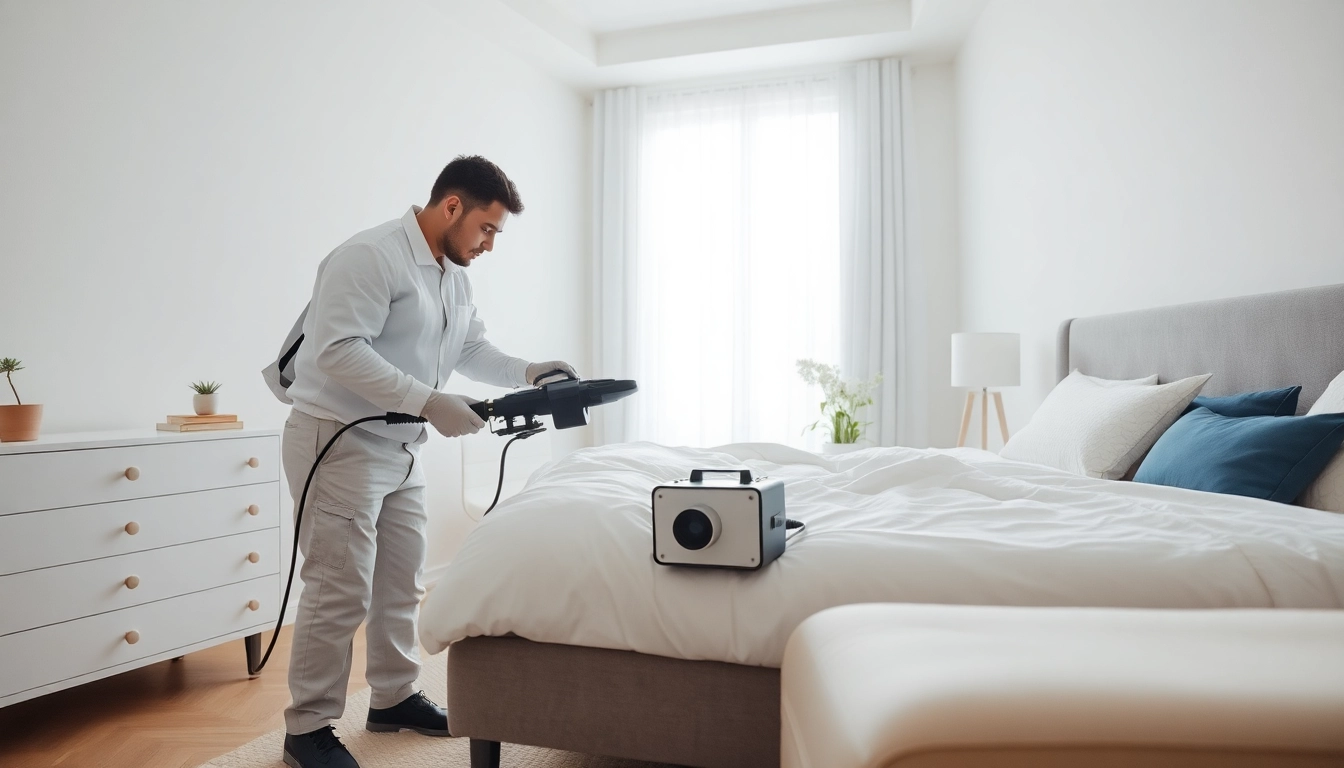
In situations beyond the capacity of DIY approaches, professional pest control services are worth considering. They generally provide:
- Detailed Inspection: Certified exterminators will conduct a comprehensive analysis of your home to identify infested areas.
- Targeted Treatments: Services may involve chemical treatments, heat treatments, or even cryonite treatments, offering various options based on the severity of the infestation.
- Follow-Up Services: After treatment, professionals often provide ongoing support and monitoring to ensure complete eradication.
The cost of professional services varies but can be a worthwhile investment to prevent future infestations.
Natural Remedies
For those who prefer a more organic approach, natural remedies can also assist in managing bed bug populations. Some effective methods include:
- Essential Oils: Oils like tea tree oil, lavender oil, and peppermint oil can serve as deterrents when applied in spray form.
- Diatomaceous Earth: This natural powder can be sprinkled in areas where bed bugs are located; when bed bugs come in contact, it dries them out.
- Cold Treatment: Placing items in a freezer for several days can kill bed bugs in clothes or small fabric items.
While natural remedies can be effective, their efficacy may vary, and they could be more appropriate for early stages of infestation.
Preparing for Treatment
Before Treatment Checklist
Before undergoing any treatment for bed bugs, it’s critical to prepare your living space adequately. Consider the following checklist:
- Clear away clutter to make treatment easier and more effective.
- Launder and store clothing in sealed plastic bags.
- Remove bed linens and covers to facilitate treatment of your mattress.
- Ensure that pets and children are not present during professional treatments.
Cleaning and Decluttering
Cleaning and decluttering your space can significantly contribute to the effectiveness of pest control measures. Take the time to:
- Organize your belongings and eliminate unnecessary items.
- Store items in plastic containers rather than cardboard boxes, which can harbor bed bugs.
- Vacuum regularly, especially in areas where bed bugs are likely to hide.
Protecting Belongings
Safeguarding your belongings during treatment is key to ensuring they remain protected from being re-infested. It’s advisable to:
- Encapsulate your mattress in a specialized bed bug-proof cover.
- Store items in sealed bags or containers until treatment is complete.
- Use bed bug interceptors beneath the legs of furniture to catch any remaining bugs.
Post-Treatment Care
Preventing Re-infestation
After treatment, prevention is paramount. Utilize these strategies to minimize the risk of reinfestation:
- Regularly launder bedding and clothing.
- Continue to use mattress protection covers.
- Inspect and vacuum frequently, especially in travel months.
Follow-Up Treatments
A bed bug treatment might require several visits to ensure all bugs and eggs are eradicated. Following a professional treatment, keep in touch with your pest control provider for:
- Scheduled follow-up inspections.
- Recommendations on barriers and preventative strategies.
Monitoring for Signs
Continuous monitoring is essential after treatment. Check for:
- New bite marks on your skin.
- Fresh fecal spots or egg cases in commonly infested areas.
- Unusual odors coming from the bed or furniture.
If you notice any signs of re-infestation, contact a professional immediately.
Frequently Asked Questions
How effective is affordable bed bug treatment?
The effectiveness varies depending on the method used and the infestation’s severity. Professional treatments are generally more effective than DIY methods.
What should I do if I can’t afford professional help?
Consider DIY solutions like heat treatment, vacuuming, and using natural deterrents while closely monitoring the situation.
Can I treat bed bugs on my own?
Yes, minor infestations may be managed with DIY approaches. However, for significant problems, professional help is recommended.
Are natural remedies for bed bugs effective?
Some natural remedies can deter bed bugs, but their effectiveness is often limited compared to chemical treatments.
How long does treatment take to work?
The timeline for visible results varies; you may start seeing improvements within a week, but it can take longer for total elimination.