
Effective and Affordable Bed Bug Treatment Solutions at Home
Understanding Bed Bug Infestations
Bed bugs are small, reddish-brown insects that feed on the blood of humans and animals. These pests have become increasingly problematic in recent years, causing distress and potential health risks for those impacted. To effectively address a bed bug infestation, understanding their behavior, lifecycle, and the signs of infestation is critical. Emphasizing an affordable bed bug treatment, comes after the identification and comprehension of these insidious pests.
Signs of Bed Bugs in Your Home
Recognizing bed bugs requires vigilance. Key signs include:
- Bed Bug Bites: Small, red, itchy bites, often in a line or cluster.
- Blood Stains: Small reddish-brown stains on bedding or furniture.
- Dark Spots: Fecal spots that appear as tiny black dots on sheets or walls.
- Eggs and Shells: Tiny (about the size of a pinhead) white eggs and shed skins.
Proper identification can lead to faster prevention and treatment. Observing these signs early can determine if treatment methods are required.
Life Cycle of Bed Bugs
The life cycle of bed bugs consists of several stages: egg, nymph, and adult. Female bed bugs typically lay 5 to 20 eggs per day, and these eggs hatch within a week. Nymphs molt several times before reaching adulthood, which can take 5 weeks to several months, depending on environmental conditions. Understanding their life cycle is crucial in planning a thorough affordable bed bug treatment strategy.
Health Risks Associated with Bed Bugs
While bed bugs are not known to transmit diseases, their bites can result in allergic reactions, skin infections, and secondary infections from scratching. Emotional distress due to sleeplessness and anxiety about infestations can also pose risk factors. It is vital to tackle infestations promptly to minimize these health risks.
Affordable Bed Bug Treatment Options
DIY Methods for Bed Bug Control
For those looking to manage bed bug issues on a budget, do-it-yourself (DIY) methods can be effective when implemented with care. Key DIY treatments include:
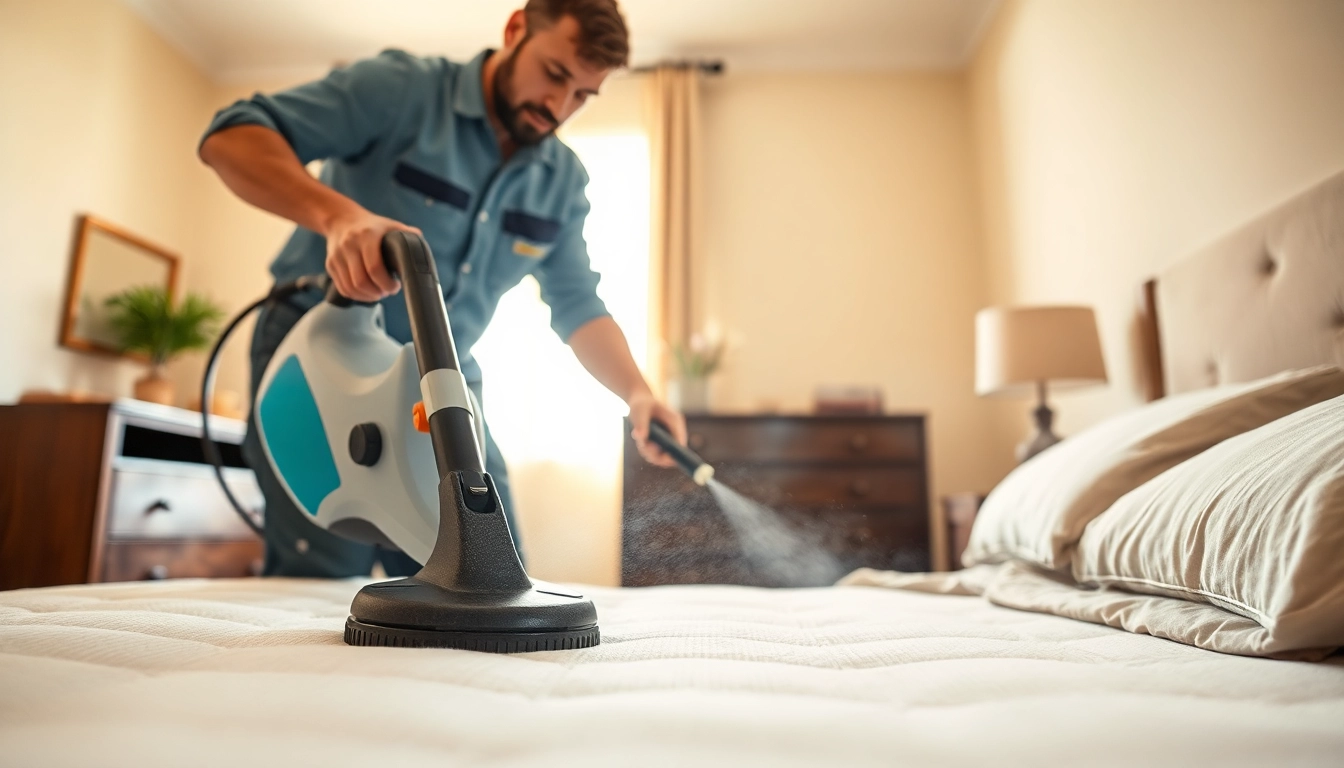
- Heat Treatment: Items can be treated with high heat (above 120°F) using clothing dryers or steamers.
- Vacuuming: Regular vacuuming of infested areas can reduce the population significantly. Ensure to dispose of the vacuum bag immediately.
- Encasements: Special bed bug-proof mattress and box spring covers can help trap existing bugs and prevent new ones from infesting.
- Diatomaceous Earth: This powder can be applied to areas where bed bugs are suspected. It dehydrates and kills bugs upon contact.
Chemical vs. Natural Treatments
Homeowners often must choose between chemical and natural treatment options. Chemical treatments can be highly effective, but they may include harmful substances that pose risks to pets and humans. Natural treatments, while often less potent, typically involve less risk and can be safer for households with children and pets. It’s essential to evaluate both routes to identify an affordable bed bug treatment that suits one’s lifestyle while maintaining safety.
Cost-Effective Pest Control Products
Several cost-effective products are available that can provide relief from bed bug infestations:
- Bed Bug Sprays: Specific insecticide sprays designed for bed bugs can be effective. Always follow safety instructions when applying.
- Bug Traps: Sticky traps can help monitor and reduce the population.
- Home Remedies: Incorporating essential oils such as lavender or tea tree oil can also deter bed bugs effectively.
Preparing Your Home for Treatment
Cleaning and Decluttering Strategies
Preparation is pivotal before starting any treatment. Essential steps include:
- Decluttering: Reduce clutter in affected areas to expose more surfaces for treatment.
- Laundering: Wash bedding, clothing, and any textiles in hot water and dry them on high heat to kill off any bugs.
- Vacuuming: Thoroughly vacuum carpets and upholstered furniture to eliminate bugs and eggs.
Protective Measures During Treatment
Ensure that the treatment is carried out safely by following these precautionary measures:
- Seal Off Rooms: During chemical treatments, seal rooms to prevent cross-contamination.
- Evacuate Pets: Keep pets out of treated areas until it is safe.
- Use Proper Gear: When applying chemicals, use gloves and masks as recommended by the product guidelines.
Post-Treatment Cleanup
After treatment, it’s essential to maintain cleanliness to prevent reinfestation:
- Ongoing Monitoring: Regularly check for signs of bed bugs following treatment.
- Continue Cleaning: Maintain a routine of laundering bed sheets and vacuuming.
- Update Encasements: Make sure that mattress and box spring encasements are secure and intact.
Preventing Future Infestations
Long-Term Strategies for Bed Bug Prevention
To avoid future infestations, consider these preventative strategies:
- Regular Inspections: Periodically inspect common areas where bed bugs may harbor.
- Travel Caution: When traveling, inspect hotel rooms and keep luggage off the floor.
- Sealing Cracks: Fill cracks in walls and around baseboards to deny bed bugs potential hiding spots.
Importance of Regular Inspections
Conducting regular inspections is crucial in identifying potential infestations early. Training yourself to recognize the signs and frequently check the most susceptible areas can save you both time and money in treatments down the line.
How to Choose Bed Bug Resistant Products
When purchasing new furniture or bedding, look for products specifically designed to resist bed bug infestations. This can include items like tightly woven fabrics and products treated with insecticides. Investing in such products can be a strategic move toward maintaining a pest-free environment.
Frequently Asked Questions About Bed Bug Treatment
What should I do if I can’t afford to hire an exterminator?
To manage bed bugs on a budget, declutter, enclose mattresses, wash bedding regularly, and apply heat using dryers or steamers. Vacuuming effectively also helps.
Are there homemade solutions for bed bug removal?
Yes, using essential oils like tea tree or lavender can deter bed bugs. Additionally, applying diatomaceous earth and washing items in hot water can be effective, too.
How often should I treat for bed bugs?
Consider treating your home every two to three weeks. This timeframe allows any remaining bugs to be caught in subsequent treatments until no signs are present.
What are some effective preventative measures?
Regular inspections, sealing cracks in walls, and being cautious when handling second-hand items can help prevent bed bugs from returning.
How can I tell if treatments are working?
Monitor for bed bug sightings or bites and utilize traps or monitors to catch any remaining bugs. Following a consistent treatment schedule will also help measure effectiveness.